How Exercise Became My Daily Shield Against Illness
You’ve probably heard “exercise keeps you healthy,” but I used to shrug it off—until I started getting sick less, feeling stronger, and sleeping better. It wasn’t magic, just consistent movement. Over time, I noticed fewer colds, more energy, and a sharper mind. This isn’t about extreme workouts. It’s about practical, everyday exercise that actually fits into real life. Here’s how it quietly transformed my health from the inside out.
The Wake-Up Call: When I Realized My Body Was Breaking Down
For years, I treated my body like a machine I could ignore—until it began to sputter. I was catching colds every other month, often dragging through weeks of fatigue, sore throats, and restless nights. What used to be a quick recovery turned into prolonged downtime. I’d cancel plans, miss work, and spend weekends wrapped in blankets, wondering why my immune system seemed to be failing me. At first, I blamed stress or the changing seasons, but the pattern was too consistent to ignore. The truth was, I was sedentary, eating inconsistently, and sleeping poorly. My body wasn’t getting the support it needed to defend itself.
The turning point came during a family gathering when I watched my younger nieces and nephews play outside with boundless energy while I struggled to keep up. I felt older than my years, both physically and mentally. That moment sparked something deeper than guilt—it sparked determination. I didn’t want to lose more time to illness. I wasn’t looking to run marathons or lose weight dramatically. My goal was simpler and more urgent: I wanted to build resilience. I wanted to stop getting sick so often. That’s when I made a quiet but firm decision—to move my body regularly, not for appearance, but for protection.
This shift in mindset was crucial. Instead of chasing aesthetic goals, I began to see exercise as a form of self-care, like eating well or getting enough sleep. I stopped measuring success by how I looked in the mirror and started paying attention to how I felt—my energy levels, my mood, my ability to stay well. It was no longer about punishment or discipline; it was about prevention and empowerment. This new perspective made the journey feel less like a chore and more like a promise to myself—one I was finally ready to keep.
Why Movement Matters: The Science Behind Exercise and Immunity
Once I committed to moving more, I wanted to understand why it mattered. What I discovered was both reassuring and motivating: regular physical activity is one of the most effective tools we have for supporting the immune system. It’s not a cure-all, but it’s a powerful ally. The science is clear—moderate, consistent exercise enhances the body’s ability to fight off infections. This isn’t about pushing limits; it’s about creating a daily rhythm of movement that keeps the body’s defenses sharp and responsive.
One of the key ways exercise supports immunity is by improving circulation. When you move, your blood flows more efficiently, allowing immune cells to travel faster and patrol the body more effectively. Think of it like a security team making regular rounds—when circulation is strong, your immune system can detect and respond to threats more quickly. Studies have shown that people who engage in regular moderate activity, such as brisk walking, experience fewer upper respiratory infections than those who are inactive. The effect isn’t dramatic overnight, but over time, the reduction in illness frequency is significant.
Another important benefit is the reduction of chronic inflammation. While short-term inflammation is a natural part of healing, long-term, low-grade inflammation can weaken the immune system and increase the risk of illness. Exercise helps regulate this response by lowering levels of inflammatory markers in the body. Additionally, physical activity supports better sleep, which is directly linked to immune function. Poor sleep disrupts the production of cytokines—proteins that help fight infection—and exercise helps regulate sleep patterns, making it easier to fall asleep and stay asleep.
Perhaps most surprisingly, muscles play an active role in immunity. Skeletal muscles release proteins called myokines during movement, which have anti-inflammatory effects and help coordinate immune responses. In this way, your muscles aren’t just for strength or mobility—they’re part of your body’s defense network. This doesn’t mean you need to lift heavy weights; even light to moderate activity stimulates this beneficial response. The key is consistency. It’s not about intensity or duration—it’s about showing up regularly. Just 20 to 30 minutes of daily movement can make a measurable difference in how your body resists illness.
Starting Small: My First Realistic Steps (And Why They Worked)
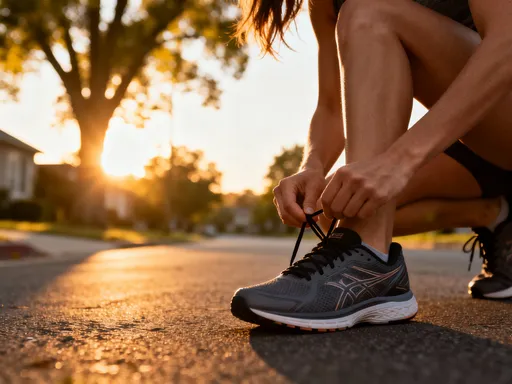
I knew I couldn’t jump into an intense routine. My past attempts had failed because I aimed too high and burned out quickly. This time, I focused on sustainability. I started with just ten minutes a day—short walks around the neighborhood after dinner. No special clothes, no gym membership, no pressure. I didn’t track steps or calories. I simply moved. At first, it felt almost too simple, but that was the point. By lowering the barrier to entry, I removed the mental resistance that had stopped me before.
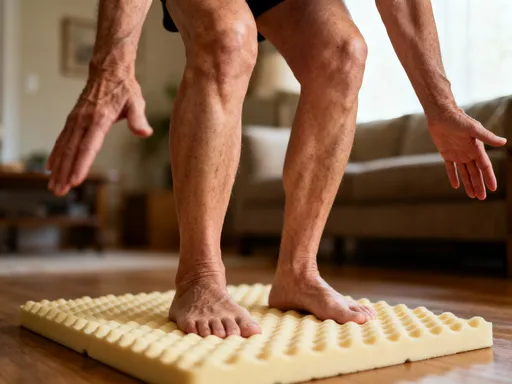
After a few weeks, I added a short home routine—five minutes of stretching in the morning, followed by ten minutes of bodyweight exercises like seated marches, wall push-ups, and standing leg lifts. These movements were gentle but effective, helping me build strength without strain. I used free online videos for guidance, choosing ones labeled “beginner-friendly” and “low impact.” The lack of complexity was a relief. I wasn’t learning choreography or mastering difficult poses—I was simply reacquainting myself with my body’s capabilities.
What made these small steps work was the consistency, not the intensity. Because the routines felt manageable, I rarely skipped them. On days when I felt tired or unmotivated, I reminded myself that even five minutes counted. That mindset shift—from all-or-nothing to “something is better than nothing”—was transformative. Over time, those small efforts built confidence. I began to see myself as someone who could stick with a habit, even a small one. That sense of accomplishment fueled my motivation to keep going.
Another factor was the lack of pressure. I didn’t tie my self-worth to performance. If I missed a day, I didn’t scold myself. I simply resumed the next day. This gentle approach prevented the cycle of guilt and abandonment that had derailed me in the past. By treating exercise as a kind, supportive practice rather than a test of willpower, I created space for long-term change. The early months weren’t about transformation—they were about trust. I was learning to trust that small, steady actions could lead to real results.
The Routine That Changed Everything: A Week in My Life
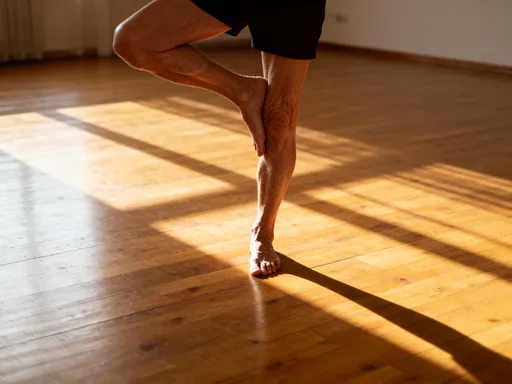
After several months of experimenting, I settled into a routine that felt natural and sustainable. My week now includes a mix of activities that keep me moving without overwhelming my schedule. On weekdays, I take a 25-minute walk, usually in the morning after breakfast. The fresh air and sunlight help set a positive tone for the day. I vary the route—sometimes through the park, sometimes along quiet streets—to keep it interesting. On two non-consecutive days, I do a 15-minute bodyweight routine at home, focusing on balance, strength, and flexibility. These sessions include squats, step-ups, and seated resistance exercises using light bands.
Weekends are less structured but still active. I enjoy longer walks, often with a friend or family member, turning movement into social time. I also dedicate one evening to gentle stretching or a beginner yoga video, which helps me unwind and improves my range of motion. The variety keeps me from getting bored, and the predictability helps me stay consistent. I’ve learned that routine doesn’t mean rigidity—it means having a general framework that can adapt to daily life.
Timing has played a big role in my success. I used to think evening exercise would help me release stress, but I found it sometimes made it harder to wind down. Switching to morning movement gave me more energy throughout the day and improved my sleep quality. On days when mornings are rushed, I break activity into smaller chunks—five minutes of stretching while coffee brews, ten minutes of marching in place during a phone call. These micro-moments add up and keep momentum going.
The biggest change has been how I view exercise—not as a separate task, but as part of my daily rhythm. I don’t “find time” for it; I build it into what I’m already doing. Walking while listening to a podcast, stretching during TV commercials, pacing while folding laundry—these small integrations make movement feel less like an obligation and more like a natural part of living. This approach has helped me maintain consistency without burnout, and that consistency is what’s made the real difference in my health.
Beyond the Body: Mental Clarity and Emotional Resilience
One of the most unexpected benefits of regular exercise has been its impact on my mind. I used to struggle with brain fog—moments when I’d forget names, lose focus mid-sentence, or feel mentally sluggish. Over time, those episodes became less frequent. I noticed I could concentrate better, remember details more easily, and approach problems with more clarity. At first, I didn’t connect this to movement, but the pattern was clear: on days I exercised, my thinking was sharper.
Science explains this, too. Physical activity increases blood flow to the brain and stimulates the release of neurochemicals like endorphins, serotonin, and brain-derived neurotrophic factor (BDNF), which supports brain cell growth and connectivity. These changes enhance cognitive function and emotional regulation. Exercise also helps lower cortisol, the stress hormone that, when chronically elevated, can impair memory and weaken immunity. By managing stress through movement, I’ve created a positive feedback loop—less stress means better sleep, better focus, and a stronger immune response.
Emotionally, I’ve become more resilient. Life still brings challenges—work deadlines, family responsibilities, unexpected setbacks—but I handle them with greater calm. I’ve learned to recognize when I’m feeling overwhelmed and use a short walk or stretching session to reset. These moments of movement serve as mental resets, helping me return to situations with a clearer perspective. I don’t feel as reactive or drained. Instead, I feel more grounded and capable.
This mental and emotional shift has indirectly strengthened my physical health. When I’m less stressed, I make better choices—eating more nourishing foods, staying hydrated, prioritizing rest. I’m also more likely to stick with my routine, even on tough days. The connection between mental well-being and disease prevention is profound. A calm, focused mind supports a strong, responsive body. Exercise isn’t just protecting me from colds—it’s helping me live with greater presence, balance, and peace.
Common Roadblocks—And How I Kept Going Anyway
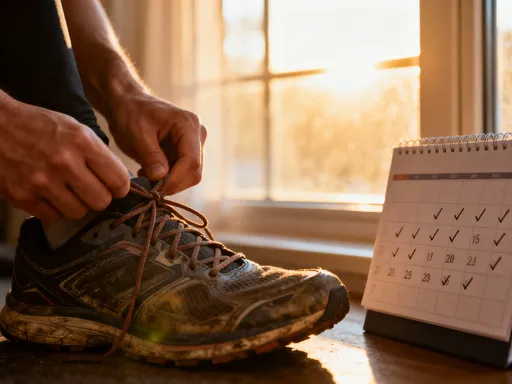
Of course, the journey hasn’t been without obstacles. There were days when I didn’t feel like moving—when the weather was bad, my schedule was packed, or my motivation was low. I’ve learned that these moments are normal, not failures. The key isn’t avoiding setbacks but knowing how to navigate them. One of my most effective strategies has been preparation. I keep my walking shoes by the door, my resistance band on the kitchen counter, and my favorite workout video bookmarked. When the moment comes, I don’t have to decide—I just act.
Time has been a frequent challenge, especially on busy mornings. To overcome this, I started treating movement like an appointment. I schedule it into my day, just like a meeting or a doctor’s visit. Even if it’s only ten minutes, it’s non-negotiable. I’ve also learned to pair exercise with things I enjoy—listening to audiobooks during walks, watching a favorite show while stretching, or calling a friend while pacing. These combinations make the time pass quickly and increase the likelihood I’ll follow through.
Bad weather used to be an easy excuse, but I’ve adapted. On rainy days, I move indoors—marching in place, doing chair exercises, or following a short online routine. I no longer let external conditions dictate my choices. When motivation dips, I remind myself of how I’ve felt after every session—more energized, calmer, stronger. I don’t wait to feel like exercising; I do it anyway, knowing the feeling will follow.
Perhaps the most important lesson has been self-compassion. I don’t berate myself for missing a day. I acknowledge it, then gently return. This kind approach has helped me stay the course. I’ve come to see consistency not as perfection, but as persistence—with room for rest, recovery, and flexibility. That mindset has made all the difference.
Making It Last: Turning Exercise Into a Lifelong Habit
What started as an experiment has become a way of life. The biggest shift hasn’t been in my routine—it’s been in my identity. I no longer think of myself as someone who “tries to exercise.” I am someone who moves. This subtle change in self-perception has made the habit stick. It’s no longer something I do; it’s part of who I am. That identity didn’t form overnight, but through repeated small actions that built trust and confidence.
Environment has played a crucial role. I’ve designed my space to support my goals—keeping workout clothes visible, placing my water bottle next to my shoes, using calendar reminders. These cues reduce friction and make it easier to follow through. I’ve also shared my journey with family, who now join me on walks or respect my movement time. Their support reinforces my commitment.
I’ve learned to celebrate small wins—completing a week of consistent movement, noticing I can climb stairs without getting winded, realizing I haven’t had a cold in months. These moments of recognition fuel my motivation. At the same time, I stay grounded. I know this isn’t a quick fix or a temporary phase. It’s a long-term investment in my health, one that requires patience and care.
The most powerful realization has been that disease prevention isn’t about dramatic interventions. It’s about daily choices—choosing to walk, to stretch, to move, even when it’s inconvenient. These small acts accumulate into a shield that protects me from illness, fatigue, and mental strain. I still see my doctor, eat balanced meals, and prioritize sleep. Exercise is one part of a larger picture, but it’s a vital one. It’s not a cure, but a support system—one that empowers me to live with greater strength, clarity, and resilience.
Looking back, I’m grateful for the wake-up call that started this journey. I no longer take my health for granted. I understand that wellness isn’t passive—it’s something I actively build, day by day. This quiet, daily commitment to movement has become my most reliable defense against illness. It’s not flashy or extreme, but it’s effective. And for that, I’m healthier, happier, and more at peace than I’ve been in years.