How I Regained My Balance — A Real Talk on Systematic Rehab Training
Balance isn’t just about standing on one leg—it’s a core part of how we move, stay independent, and avoid injuries. After a minor fall made me rethink my stability, I dove into rehabilitation training that changed everything. What I discovered wasn’t magic, but a smart, step-by-step system backed by science. This is the honest breakdown of how balance can be rebuilt, strengthened, and maintained—no hype, just real progress. For many women in their 30s to 50s, life moves fast: managing homes, raising children, caring for aging parents, and often putting personal health on hold. Amid these responsibilities, subtle changes in physical stability can go unnoticed—until they aren’t. A misstep on a sidewalk, a wobble getting out of the car, or a near-fall while reaching for a high shelf can be alarming reminders that balance is not permanent. The good news? Balance is not a fixed trait. It’s a skill, one that can be improved at any age with the right approach.
The Hidden Crisis of Poor Balance
Most people don’t think about balance until something goes wrong. Yet, research shows that balance begins to decline as early as the fourth decade of life, especially when physical activity decreases. This decline is often so gradual that it escapes notice until a stumble or fall occurs. For women managing household demands, the risk can be even greater due to factors like fluctuating hormones, reduced muscle mass over time, and prolonged periods of sedentary behavior. The consequences of poor balance extend far beyond a momentary scare. Falls are a leading cause of injury among adults over 40, often resulting in fractures, joint damage, or long recovery periods that disrupt daily life.
Consider common scenarios: stepping off a curb and twisting an ankle, losing footing on a slightly wet bathroom floor, or struggling to rise from a low sofa without using your hands. These are not isolated incidents—they are warning signs. The body’s ability to stabilize itself relies on a complex network of signals from the inner ear, eyes, and sensory nerves in the muscles and joints. When any part of this system weakens, the entire structure becomes less reliable. Without intervention, minor instability can evolve into chronic mobility issues, limiting independence and confidence. The emotional toll is just as significant. Fear of falling can lead to reduced activity, social withdrawal, and a shrinking world—all to avoid potential accidents. But this trajectory is not inevitable.
What makes balance decline so dangerous is its invisibility. Unlike pain or fatigue, poor balance doesn’t always announce itself. A woman might feel perfectly fine walking across a room but struggle when asked to stand on one foot or turn quickly. These subtle deficits accumulate, increasing fall risk over time. The Centers for Disease Control and Prevention (CDC) reports that one in four adults over 65 falls each year, but many of these incidents originate from balance issues that began much earlier. The key is early recognition and proactive training. Just as we prioritize heart health or nutrition, balance deserves the same level of attention—not as a reactive measure after an injury, but as a preventive practice woven into daily life.
Why Balance Is a Learned Skill, Not Just Luck
Many assume that good balance is something you either have or don’t—a gift of youth or genetics. But modern rehabilitation science confirms that balance is not fixed; it’s trainable. Like learning to ride a bike or mastering a new recipe, balance improves with consistent practice and proper technique. The body maintains equilibrium through three interconnected systems: the vestibular system in the inner ear, the visual system, and proprioception—the body’s sense of where it is in space. These systems work together like a finely tuned orchestra, sending real-time data to the brain to adjust posture, muscle tension, and movement.
The vestibular system acts as the body’s internal gyroscope, detecting head motion and spatial orientation. When you turn your head or tilt forward, tiny fluid-filled canals in the inner ear send signals to help you stay upright. The visual system contributes by providing environmental cues—judging distance, depth, and movement. Meanwhile, proprioception relies on sensory receptors in the muscles, tendons, and joints, particularly in the feet and ankles, to relay information about body position. When one of these systems weakens—due to age, injury, or inactivity—the others must compensate. Over time, this compensation can lead to fatigue, delayed reactions, and increased fall risk.
The encouraging truth is that all three systems can be trained. Just as lifting weights strengthens muscles, specific exercises can enhance neural communication between the brain and body. For example, standing on an uneven surface challenges the proprioceptive system, forcing the feet and ankles to make constant micro-adjustments. Closing the eyes during balance practice removes visual input, increasing reliance on the vestibular and proprioceptive systems. These targeted challenges stimulate neuroplasticity—the brain’s ability to reorganize and form new connections. Over time, this leads to sharper reflexes, better coordination, and greater confidence in movement. The process isn’t about achieving perfection; it’s about building resilience through repetition and progression.
My Turning Point: From Denial to Action
For years, I dismissed small stumbles as normal—just part of getting older or being tired from a long day. Then came the morning I was walking my dog and stepped on a patch of loose gravel. My foot slid, my body twisted, and I barely caught myself on a fence. No injury, but the shock lingered. My heart raced not from exertion, but from fear. What if I hadn’t grabbed the fence? What if I’d fallen on a hard surface? That moment shattered my assumption that I was steady enough. I realized I had been ignoring warning signs: occasional dizziness when standing up too fast, needing to hold onto the counter when putting on socks, even feeling unsteady in the shower. These weren’t quirks of aging—they were signals.
The emotional impact was profound. I felt frustrated that something as basic as balance could feel so unreliable. I worried about becoming a burden to my family or losing the ability to care for my home independently. At the same time, that fear sparked motivation. I didn’t want to wait for a serious fall to take action. I made an appointment with a physical therapist who specialized in vestibular and balance rehabilitation. Walking into that first session, I felt vulnerable—admitting I needed help wasn’t easy. But the assessment revealed something empowering: my balance issues weren’t due to irreversible damage. They were the result of deconditioning—muscles that had weakened, reflexes that had slowed, and movement patterns that had become inefficient. The therapist explained that with structured training, I could rebuild strength, coordination, and confidence. That diagnosis was my turning point. I wasn’t broken—I was simply out of practice.
The Foundation: Assessment and Professional Guidance
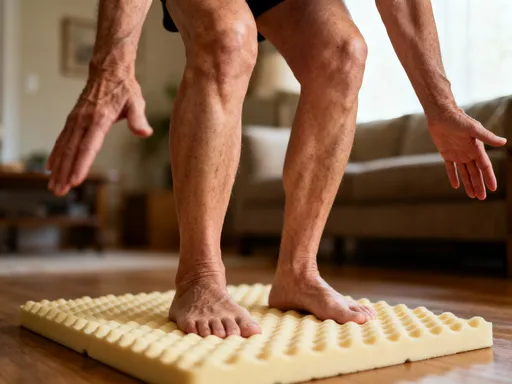
Before starting any balance program, a proper evaluation is essential. Jumping into exercises without understanding your specific deficits can be ineffective or even risky. A qualified physical therapist can conduct a comprehensive assessment to identify which part of your balance system needs the most attention. Common tests include the Timed Up-and-Go (TUG), which measures how quickly you rise from a chair, walk ten feet, turn, walk back, and sit down. A time over 12 seconds indicates increased fall risk. Another tool is the Sensory Organization Test (SOT), which evaluates how well you use visual, vestibular, and proprioceptive inputs under different conditions, such as standing on a foam surface with eyes closed.
These assessments provide a baseline and help tailor a rehab plan to your needs. For instance, if you rely too heavily on vision, you might struggle in low-light environments. If your proprioception is weak, you may feel unstable on uneven terrain. The evaluation also checks for underlying conditions like joint stiffness, muscle weakness, or neurological concerns that could affect progress. This step ensures that your training is not only effective but safe. A professional can guide you in choosing the right exercises, proper form, and appropriate progression speed. They can also help distinguish between normal age-related changes and issues that require medical follow-up, such as inner ear disorders or nerve damage.
Professional guidance is especially important for women who may have additional risk factors, such as osteoporosis or previous ankle injuries. A therapist can modify exercises to protect vulnerable areas while still challenging the balance system. They can also teach you how to use assistive devices safely, such as a cane or walker, if needed during early stages. Most importantly, they provide accountability and encouragement. Knowing someone is monitoring your progress makes it easier to stay consistent, especially when improvements feel slow. Starting with an assessment isn’t a sign of weakness—it’s a strategic move that sets the foundation for lasting success.
Phase One: Rebuilding Awareness and Control
The first phase of balance rehabilitation focuses on reawakening the body’s awareness of its position in space. These initial exercises may seem simple, even underwhelming, but they are critical for rebuilding neural pathways and muscle memory. The goal is not intensity, but precision and consistency. One of the earliest exercises introduced is weight shifting—slowly moving the body’s center of gravity from side to side and front to back while standing with feet shoulder-width apart. This teaches control over small movements and strengthens the muscles that stabilize the hips and ankles.
Another foundational drill is the tandem stance: standing with one foot directly in front of the other, heel to toe, like a sobriety test. This narrow base of support increases demand on the balance system, forcing the body to make constant micro-corrections. Holding this position for 20 to 30 seconds builds endurance and focus. As stability improves, the challenge can be increased by closing the eyes, removing visual input and relying more on the inner ear and joint sensors. This variation often reveals hidden deficits—many people wobble significantly more without sight, highlighting over-reliance on vision.
Early progress may feel minimal. Standing steadily for 30 seconds without support might not seem like an achievement, but it’s a meaningful milestone. These exercises enhance proprioception by stimulating sensory receptors in the feet and ankles. They also improve communication between the brain and muscles, sharpening reaction time. Consistency is key: practicing for just 10 to 15 minutes a day yields measurable improvements within weeks. The emotional benefit is equally important. Each small success builds confidence, reducing fear and reinforcing the belief that progress is possible. This phase lays the groundwork for more dynamic movements to come.
Phase Two: Adding Movement and Challenge
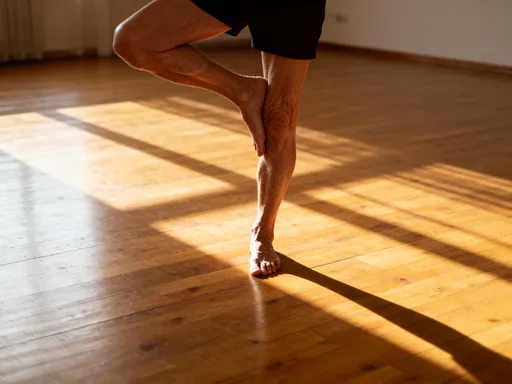
Once basic stability is established, the next phase introduces movement and controlled instability. This stage strengthens not only the muscles but also the coordination between systems. Single-leg stands become a central exercise—lifting one foot off the ground and balancing on the other. Starting with support, such as holding a countertop, and gradually reducing assistance builds strength in the standing leg’s glutes, quads, and calf muscles. Holding the position for increasing durations improves endurance and neuromuscular control.
Heel-to-toe walking, also known as the tandem gait test, is another key drill. Walking in a straight line with the heel of one foot touching the toe of the other challenges dynamic balance. It mimics real-life situations like navigating a narrow path or stepping over obstacles. Performing this slowly and with control helps train the body to maintain alignment during motion. Mini squats, done while holding onto a chair for safety, engage the core and leg muscles while practicing controlled lowering and rising—a motion essential for getting up from chairs or toilets.
To increase difficulty, tools like foam pads or balance boards can be introduced. Standing on a soft surface destabilizes the feet, forcing the ankle and calf muscles to work harder to maintain posture. This type of training enhances proprioception and strengthens stabilizing muscles that are often underused in daily life. However, these tools should only be used when basic balance is solid and under professional guidance to prevent injury. The principle is progressive overload: gradually increasing challenge to stimulate adaptation without overwhelming the system. This phase bridges the gap between static balance and functional movement, preparing the body for real-world demands.
Phase Three: Real-World Integration and Long-Term Maintenance
The final phase shifts from structured exercises to integrating balance into everyday life. The goal is not to create another chore but to make stability a natural part of movement. Functional activities like climbing stairs, turning quickly to answer the phone, or carrying groceries while walking become opportunities to practice awareness and control. These tasks require coordination, strength, and split-second adjustments—all skills honed during rehab.
Simple habits can reinforce progress. Standing on one leg while brushing teeth, rising from a chair without using hands, or walking heel-to-toe down a hallway turn routine moments into micro-training sessions. These activities keep the balance system engaged without requiring extra time. Home environments can also be optimized: removing throw rugs, improving lighting, and installing grab bars reduce fall risks and support confidence. Wearing supportive footwear, even indoors, provides a stable base and enhances sensory feedback from the feet.
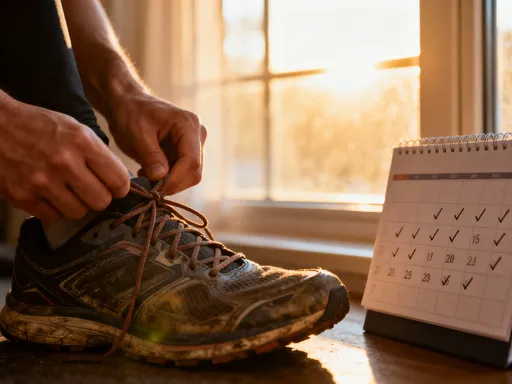
Long-term maintenance means consistency over intensity. Five minutes of daily practice is more effective than one long session per week. The focus shifts from correction to prevention—viewing balance training as a form of self-care, like brushing your teeth or eating vegetables. Over time, these small actions compound, leading to greater independence and resilience. Women who integrate balance into their routines often report not just fewer stumbles, but increased energy, better posture, and a renewed sense of control over their bodies. This phase isn’t the end of the journey—it’s the beginning of a sustainable, empowered way of moving through life.
Conclusion: Balance as a Lifelong Practice
Regaining balance is not a quick fix or a temporary project. It is a gradual, structured process that requires patience, consistency, and self-compassion. The journey from instability to confidence is built on small, daily actions that collectively transform physical capability and emotional well-being. What starts as a fear of falling can evolve into a deeper appreciation for the body’s ability to adapt and grow stronger at any age. Balance training is not just for recovery—it is preventive care, a proactive investment in long-term health and independence.
The most powerful outcome of this work is freedom. Freedom to move without hesitation, to play with grandchildren, to garden, travel, or simply walk through a crowded store without anxiety. Stability becomes more than physical—it becomes a source of confidence and resilience. For women juggling countless responsibilities, taking time to rebuild balance is not selfish; it is necessary. It ensures that you can continue to care for others because you are caring for yourself. Balance is not a luxury. It is a foundation. And with the right approach, it is always within reach.