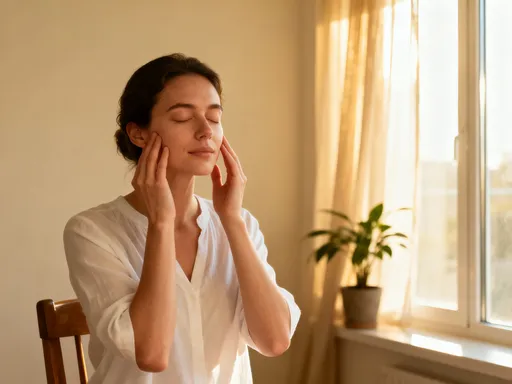
How I Bounced Back: My Real Skin Healing Journey
Have you ever felt like your skin just won’t cooperate no matter what you try? After a tough breakout season that left my confidence shaky, I committed to a mindful skincare rehab—no harsh fixes, just consistent, gentle healing. This isn’t a miracle cure, but a real, step-by-step reset that helped me regain balance. If your skin feels damaged or stressed, this journey might be what you need to start healing, too.
The Breaking Point: When My Skin Hit Rock Bottom
For months, my face felt like a battlefield. What began as occasional blemishes spiraled into persistent redness, flaking, and painful breakouts that wouldn’t fade. I had tried everything—over-the-counter spot treatments, strong exfoliants, peels, and even rotating between multiple high-end serums—each promising fast results. Instead of clarity, I got more irritation, tightness, and a constant dullness that made me feel older than I was. The mirror became a source of dread, not reflection.
Emotionally, the toll was just as real. I avoided social gatherings where lighting might highlight my skin’s flaws. I stopped taking photos, even with family, because I hated how I looked. I felt self-conscious in meetings and hesitant to make eye contact, as if others were silently judging. My confidence, once steady, began to erode. I realized I wasn’t just fighting acne—I was fighting shame, frustration, and a growing sense of helplessness.
It wasn’t until I consulted a dermatology nurse during a routine checkup that I understood the root of the problem: I had been treating my skin like an enemy, not a living organ in need of care. The aggressive products, constant layering, and obsession with quick fixes had stripped my skin barrier, leaving it vulnerable and inflamed. She didn’t recommend another serum or miracle ingredient. Instead, she said, “Your skin needs rest, not more attack.” That moment changed everything.
It was the beginning of a mindset shift—from chasing perfection to prioritizing healing. I stopped looking for overnight transformations and started asking, “What does my skin actually need right now?” This question became the foundation of my recovery. I accepted that healing isn’t linear, and progress wouldn’t come from doing more, but from doing less—more gently, more consistently, and with greater awareness.
Understanding Skin as Living Tissue: The Science Behind Healing
One of the most empowering realizations in my journey was understanding that skin is not just a surface—it’s a living, breathing organ, much like the heart or liver. And like any organ, it requires time, nourishment, and protection to repair itself. When damaged, it doesn’t heal overnight. It follows a biological timeline, rebuilding cell by cell, layer by layer. Recognizing this helped me replace impatience with patience and harsh treatments with support.
The key player in this process is the skin barrier, specifically the stratum corneum—the outermost layer of the epidermis. Think of it as a brick wall: skin cells are the bricks, and lipids (fats like ceramides, cholesterol, and fatty acids) are the mortar holding them together. This barrier protects against environmental aggressors, locks in moisture, and prevents irritants from entering. When compromised—by over-cleansing, harsh acids, or stress—this wall cracks, leading to dryness, sensitivity, and inflammation.
Restoring the barrier isn’t about slathering on ten products. It’s about creating the right conditions for natural repair. Hydration is essential, but not just from water. The skin needs humectants (like glycerin or hyaluronic acid) to draw moisture in, and occlusives (like petrolatum or squalane) to seal it in. Equally important is maintaining a slightly acidic pH, typically between 4.5 and 5.5. This acidity supports beneficial microbes and enzyme activity that keep the barrier functioning properly. Disrupting this balance—by using alkaline soaps or over-exfoliating—can delay healing significantly.
Another crucial factor is cellular turnover. Healthy skin renews itself every 28 to 40 days, shedding old cells and replacing them with new ones. When the barrier is damaged, this process slows down or becomes irregular, leading to dullness and clogged pores. But forcing faster turnover with strong actives can backfire, especially on compromised skin. Instead, supporting the skin’s natural rhythm allows it to rebuild strength without further stress. Inflammation, the body’s response to injury, must also be calmed. Chronic inflammation delays healing and can lead to hyperpigmentation and scarring. Therefore, the goal isn’t to speed up the process, but to create a calm, supportive environment where healing can happen naturally.
The Mindset Shift: From Attack Mode to Support Mode
For years, I approached skincare like a war. Acne? Attack it with benzoyl peroxide. Dullness? Exfoliate it away. Dark spots? Zap them with acids. This “attack mode” mentality is common, especially with the constant marketing of fast-acting, powerful ingredients. But what I learned is that damaged skin doesn’t need more aggression—it needs compassion, consistency, and time.
Switching to a support mode mindset meant redefining success. Instead of measuring progress by how fast breakouts disappeared, I began to notice subtler signs: less tightness in the morning, reduced stinging when applying moisturizer, fewer flare-ups after wind or temperature changes. These small shifts indicated that my skin was regaining strength, even if it wasn’t yet “perfect.” I stopped chasing flawless skin and started nurturing resilient skin.
Patience became my most important tool. I accepted that healing could take weeks or even months, and that setbacks were part of the process. I learned to listen to my skin’s signals—redness meant irritation, flaking meant dehydration, and sudden breakouts could indicate internal stress or a product mismatch. Instead of reacting with more products, I responded with rest: simplifying my routine, skipping actives, and focusing on hydration and protection.
To stay on track, I created a skin rehab plan—a structured yet flexible approach tailored to my needs. It wasn’t about following a viral TikTok routine, but about building a sustainable practice. I kept a simple journal, noting how my skin felt each morning and evening, any changes in texture or sensitivity, and what products I used. This helped me identify patterns and avoid repeating mistakes. Over time, tracking progress became a source of motivation. Seeing improvement—even gradual—reinforced my commitment and reminded me that healing was possible.
Core Principles of My Skin Rehabilitation Routine
With my mindset reset, I rebuilt my routine around four foundational principles: simplify, hydrate, protect, and observe. These weren’t revolutionary, but they were transformative when applied consistently and with intention.
Simplify meant cutting my routine down to the essentials. I reduced my products from ten to three: a gentle cleanser, a moisturizer, and a sunscreen. I eliminated all actives—no retinoids, no acids, no scrubs—for at least six weeks. This gave my skin a chance to recover without constant stimulation. I chose fragrance-free, minimal-ingredient formulas to reduce the risk of irritation. Simplicity didn’t mean deprivation—it meant focus. Every product had a clear purpose, and I used only what was necessary.
Hydrate became a daily priority. I applied moisturizer while my skin was still damp to lock in water, using a thicker cream at night for extra nourishment. I incorporated a simple humectant serum—glycerin-based—before moisturizing to boost hydration. I also drank more water throughout the day, recognizing that internal hydration supports external healing. Dry skin isn’t just uncomfortable—it’s a sign of barrier dysfunction. By keeping my skin plump and supple, I supported its natural repair process.
Protect was non-negotiable. I wore broad-spectrum SPF 30 or higher every single day, rain or shine. UV exposure increases inflammation, delays healing, and can worsen post-inflammatory hyperpigmentation. I chose mineral-based sunscreens with zinc oxide, which are less likely to irritate sensitive skin. I also wore hats and sought shade when outdoors. Protection wasn’t just about preventing aging—it was about creating a safe environment for healing.
Observe meant staying present with my skin. I avoided over-washing or touching my face, which can disrupt the barrier. I paid attention to how my skin responded to changes in weather, stress, or sleep. If I noticed redness or tightness, I adjusted my routine—perhaps skipping the cleanser and using only water, or adding a layer of occlusive at night. Observation turned skincare into a practice of self-awareness, not just a checklist of steps.
My Daily & Weekly Healing Routine (What Actually Worked)
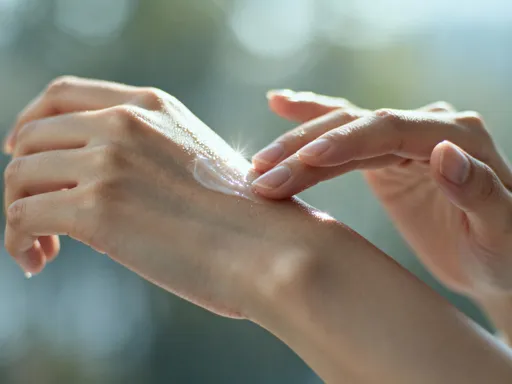
My daily routine became a ritual of care, not correction. In the morning, I rinsed my face with lukewarm water and a non-foaming, sulfate-free cleanser that removed impurities without stripping. I patted dry—never rubbed—and immediately applied a lightweight humectant serum to damp skin. This step was crucial for drawing in moisture. Next came a fragrance-free moisturizer with ceramides and fatty acids to support barrier repair. Finally, I applied a gentle, non-comedogenic sunscreen. That was it—no toners, no essences, no actives. Just hydration, nourishment, and protection.
In the evening, I repeated the same gentle cleanse, followed by the humectant serum. At night, I used a richer moisturizer—sometimes layered with a few drops of squalane oil—to reinforce the lipid barrier. On particularly dry or irritated nights, I applied a thin layer of petrolatum (like white petroleum jelly) over my moisturizer as an occlusive seal. This “slugging” method helped repair cracks in the barrier and reduced nighttime water loss. I avoided any exfoliation for the first six weeks, allowing my skin to stabilize.
After that period, I cautiously reintroduced mild exfoliation—just once a week, using a low-concentration lactic acid toner. I applied it with a cotton pad, avoiding sensitive areas, and followed immediately with moisturizer. If I noticed any redness or stinging, I paused for another week. Over time, I added a gentle retinol, starting with twice a week and gradually increasing as my skin tolerated it. But even now, I keep these steps minimal—exfoliation once a week, retinol three times a week—because I’ve learned that less is often more.
The small wins kept me going. After two weeks, my skin felt less tight. By week four, the constant redness had faded. At six weeks, I noticed my texture was smoother, and breakouts were less frequent. By three months, I could go makeup-free without feeling self-conscious. These changes didn’t happen because of a miracle product—they came from consistency, gentleness, and respect for my skin’s limits.
Lifestyle Support: Sleep, Stress, and What You Eat
As my skin improved, I realized that healing wasn’t just about what I put on my face—it was also about how I lived. Sleep became a non-negotiable part of my routine. I aimed for seven to eight hours a night, knowing that cellular repair peaks during deep sleep. I created a wind-down ritual: turning off screens an hour before bed, drinking herbal tea, and doing a five-minute gratitude journal. Better sleep didn’t just improve my skin—it improved my mood and resilience.
Stress was another silent trigger. I noticed that during busy weeks or emotional strain, my skin reacted—more breakouts, more redness. I learned that stress increases cortisol, a hormone that boosts inflammation and weakens the skin barrier. To manage this, I incorporated gentle movement—daily walks, stretching, and occasional yoga. I also practiced mindfulness, taking a few deep breaths before applying my skincare at night. These small moments of presence turned routine into ritual, reducing stress and enhancing connection with my body.
Diet played a supporting role. I didn’t overhaul my eating, but I made simple shifts. I reduced added sugar and processed foods, which can spike insulin and increase sebum production. I added more omega-3 fatty acids—through fatty fish, walnuts, and flaxseeds—which have anti-inflammatory properties. I also prioritized colorful vegetables and stayed well-hydrated. These changes didn’t erase my skin concerns overnight, but they created a healthier internal environment for healing.
I stopped viewing skincare as a solo mission. It was part of a larger commitment to well-being—one that included rest, balance, and self-kindness. When I treated my body with care, my skin responded with strength and clarity.
Tracking Progress & Knowing When to Seek Help
Tracking my progress helped me stay grounded. I took monthly photos under the same lighting, not to obsess over flaws, but to see subtle changes. I noted how my skin felt—was it less reactive? Did it recover faster after a bad night’s sleep? Could I tolerate a new product without flare-ups? These metrics were more meaningful than pore size or blemish count.
Personal milestones marked my recovery. The first time I went makeup-free to a family dinner. The day I applied sunscreen without worrying about pilling or greasiness. The moment I caught my reflection and didn’t look away. These weren’t just skin victories—they were confidence victories.
But I also learned to recognize when professional help was needed. While my rehab approach worked for sensitivity and mild acne, I knew that conditions like rosacea, eczema, or hormonal acne often require medical diagnosis and treatment. I didn’t hesitate to consult a dermatologist when I suspected an underlying issue. They prescribed a short course of topical medication and confirmed that my barrier repair approach was sound. This reinforced that self-care and medical care aren’t opposites—they’re partners.
I now understand that skin rehab isn’t a substitute for professional advice, but a complement. It’s about creating a strong foundation so that any treatment—prescribed or personal—can work more effectively. Healing isn’t about going it alone. It’s about knowing when to nurture, and when to seek support.
Healing skin isn’t about finding the next viral product—it’s about creating a supportive environment for natural repair. My journey taught me that kindness, consistency, and a little science go a long way. Whether you’re recovering from overuse, stress, or environmental damage, a thoughtful rehabilitation approach can restore not just your skin, but your peace of mind. True beauty begins with healing, not hiding.