Chasing Light and Rhythm in Swakopmund’s Hidden Corners
You know what? Swakopmund isn’t just sand and sea—it’s soul. I stumbled on a side of this coastal gem where culture pulses through street art, traditional dress meets ocean breeze, and festivals turn ordinary squares into stages of joy. The colors, the laughter, the golden hour glow—it’s pure magic. If you’re hunting for photo spots with heart, where every frame tells a story, Swakopmund’s festival culture will blow your lens—and mind—wide open. This is not a destination of grand monuments or crowded tourist circuits. Instead, it reveals itself in quiet moments: a child twirling in a handmade costume, elders sharing stories under shade cloths, drumbeats rising from alleyways as the sun dips below the dunes. For those willing to look beyond postcard views, Swakopmund offers something rare—a living, breathing expression of community, resilience, and beauty shaped by both desert and sea.
The Unexpected Pulse of Swakopmund
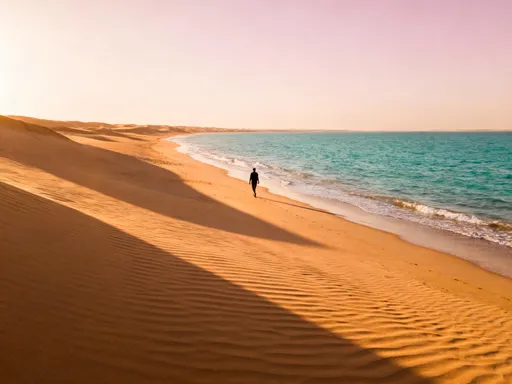
At first glance, Swakopmund appears as a calm, orderly town where German colonial architecture meets the vast Namib Desert and the cold Atlantic waves. Neat streets lined with pastel-colored buildings, tidy gardens, and a quiet promenade suggest a peaceful retreat—a place to walk, breathe, and unwind. Yet beneath this serene surface lies a rhythm often missed by casual visitors: the steady pulse of local life that swells into celebration during community festivals. These are not staged performances for tourists but authentic gatherings rooted in Namibian heritage, family ties, and cultural pride. They emerge organically—in open fields, neighborhood courtyards, and along the edges of the old market—transforming everyday spaces into stages of expression.
What makes these moments so powerful is their spontaneity. A group of teenagers might begin a traditional dance during a weekend gathering at the Woermann Street market. Elders gather under canopies, clapping in time with drummers whose rhythms echo generations of oral storytelling. Street vendors pause their sales to join in song, their voices rising above the salt-kissed wind. These are not isolated events but threads in a larger cultural fabric—one that weaves together history, identity, and joy. For the observant traveler, especially those drawn to photography and storytelling, these moments offer rare access to genuine human connection, far removed from curated experiences.
Swakopmund’s dual identity—calm coastal town and cultural heartbeat—creates a compelling contrast. It invites visitors to slow down, to wander without agenda, and to notice the subtle signs of celebration before they unfold. A hand-painted banner tied between lampposts, a cluster of musicians tuning instruments in a side street, the scent of grilled meat and spices drifting through the air—these are the quiet signals that something meaningful is about to happen. And when it does, the town reveals a side few expect: vibrant, communal, and deeply rooted in the spirit of its people.
Where Festivals Come Alive: Urban Spaces with a Soul
Festivals in Swakopmund do not require grand venues or official permits to take place. Instead, they thrive in the in-between spaces of the city—town squares, open-air markets, school grounds, and residential streets. The Swakopmund Mole, often seen as a scenic pier, occasionally becomes a gathering point for coastal celebrations, especially during national holidays. But more intimate and revealing are the community-led events in neighborhoods like Mondesa and Tamariskia, where local pride and cultural expression come alive in the most personal ways.
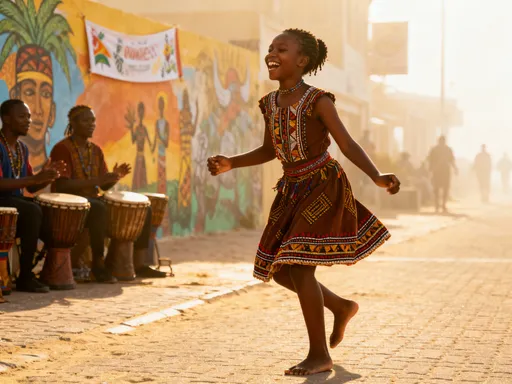
In Mondesa, one of the town’s historically Black residential areas, cultural festivals are deeply tied to identity and resilience. Here, families come together to honor traditions passed down through generations. Women wear brightly colored dresses with bold geometric patterns, their headwraps tied with care. Children parade in handmade costumes, their faces painted with symbols representing ancestral stories. Music is central—drums, marimbas, and call-and-response singing create a soundscape that feels both ancient and immediate. These gatherings are not commercialized; they are heartfelt expressions of who these communities are and what they value.
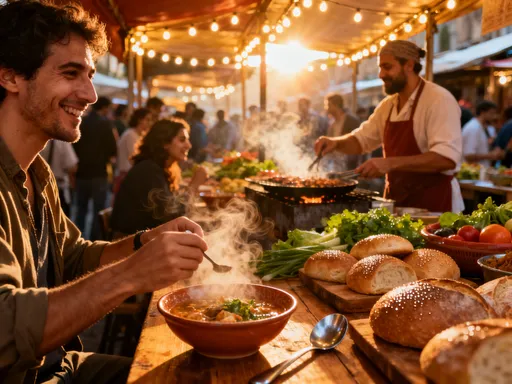
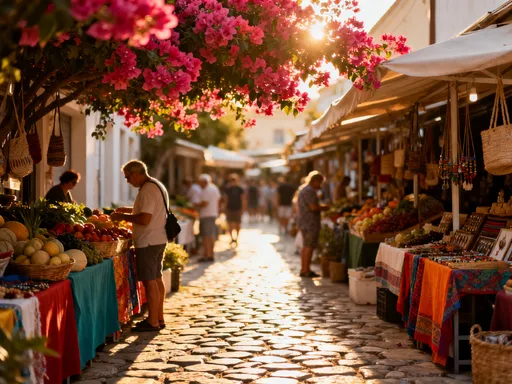
The Woermann Street market, traditionally a hub for crafts and food, transforms on festival days into a living gallery of Namibian culture. Vendors display woven baskets, carved wooden figures, and hand-stitched textiles, each item telling a story of skill and heritage. But beyond the goods, it’s the atmosphere that captivates. Drum circles form spontaneously, drawing in passersby. Dance troupes from local schools perform routines that blend traditional movements with modern flair. Elder storytellers sit in shaded corners, sharing folklore with anyone who will listen. For photographers, these spaces offer endless opportunities for candid shots—laughter caught mid-sentence, hands shaping dough for oshifima, the focused gaze of a drummer lost in rhythm.
What makes these locations so special is their accessibility and authenticity. Unlike large-scale festivals that cater to tourists, these events are for the community first. Yet they welcome respectful visitors who come not to gawk but to observe, listen, and learn. The intimacy of these settings allows for deeper connections, where a simple nod or shared smile can open a door to understanding. For those seeking to capture the soul of Swakopmund, these urban spaces—with their textures, sounds, and unguarded moments—are where the true story unfolds.
Golden Light Over Tradition: Best Times to Shoot
Photography in Swakopmund is shaped as much by light as by subject. The coastal climate, marked by morning fog and crisp afternoon breezes, creates a unique visual atmosphere. But the most magical moments occur during the golden hours—just after sunrise and especially in the late afternoon, when the sun dips low over the Atlantic and bathes the town in a soft, amber glow. This is when faces shine with warmth, shadows stretch across sand and cobblestone, and the air itself seems to hum with stillness. For festival photography, timing is everything, and aligning with natural light can elevate a simple image into something transcendent.
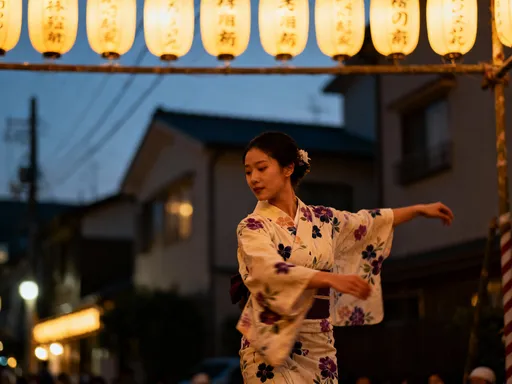
The late afternoon light, in particular, enhances the colors of traditional attire. Reds, yellows, and indigos appear richer, fabrics seem to vibrate with energy, and skin tones glow with a natural radiance. This is the ideal time to capture portraits—whether of elders seated in quiet dignity or children mid-dance, their movements frozen in a burst of joy. The low angle of the sun also creates dramatic silhouettes, perfect for framing dancers against the sky or capturing the outline of a drummer’s hands in motion. Even on overcast days, the diffused light can lend a soft, dreamlike quality to images, reducing harsh contrasts and highlighting texture.
Seasonal timing also plays a crucial role. While Swakopmund hosts small gatherings year-round, the peak of cultural expression often aligns with national and regional observances. Namibia’s Independence Day on March 21 brings community events across the country, including in Swakopmund, where local groups organize performances, food fairs, and parades. Similarly, Heritage Day in August offers a dedicated space for cultural展示, with traditional music, dance, and storytelling taking center stage. These occasions draw larger crowds and more elaborate displays, making them ideal for immersive photography.
Yet some of the most powerful moments happen unexpectedly. A spontaneous dance after a church service, a family celebration in a backyard, a youth group practicing choreography in a schoolyard—these unannounced events often yield the most authentic images. To anticipate them, travelers are encouraged to engage with locals, visit community centers, and check notice boards at markets or shops. Building relationships, even brief ones, can lead to invitations or tips about upcoming gatherings. Being present, patient, and prepared—camera charged, settings adjusted—means you’re ready when the light, the moment, and the music align.
Capturing Culture with Respect
In the pursuit of powerful images, it’s essential to remember that festival culture in Swakopmund is not a spectacle to be consumed but a lived experience to be honored. The most compelling photographs are not those taken from a distance with a long lens, but those born from connection, respect, and mutual recognition. Ethical photography begins with awareness—understanding that every person in your frame has a story, a dignity, and a right to control how they are represented.
One of the simplest yet most important practices is asking permission. A smile, a gesture, a few words in Oshiwambo or Afrikaans can go a long way. Many locals appreciate the interest in their culture and are happy to be photographed—especially when approached with kindness and humility. When photographing children, it’s especially important to seek consent from parents or guardians. In some cases, people may decline, and that decision must be respected without question. The goal is not to capture every moment, but to honor the ones you are invited to witness.
Beyond permission, it’s vital to understand context. Some dances, songs, or rituals may have spiritual or ceremonial significance that is not meant for public documentation. Observing first, learning quietly, and avoiding intrusive behavior ensures that your presence does not disrupt the event. Instead of rushing in, take time to sit, watch, and absorb the atmosphere. Often, the most powerful images come after trust is built—not through a single shot, but through a series of moments that unfold naturally.
Respect also means avoiding stereotypes. Namibian culture is diverse and dynamic, not frozen in time or reduced to a single narrative. Avoid framing people as “exotic” or “primitive,” and resist the urge to stage scenes for dramatic effect. Authenticity lies in the real—wrinkles on a grandmother’s face, the concentration of a young dancer, the shared laughter between friends. These are the images that resonate, not because they are perfect, but because they are true. When you return home with your photos, let them tell stories of humanity, not just aesthetics.
Beyond the Obvious: Offbeat Angles and Details
While faces and full-body dances are natural focal points, some of the most evocative images come from what lies beneath the surface—the details that often go unnoticed. A painted sandal tapping the ground in rhythm. Hands clasped in prayer or raised in celebration. The frayed edge of a banner fluttering in the wind. These fragments, when captured with intention, add depth and texture to your visual narrative, transforming a collection of photos into a layered story.
Consider the power of close-ups. A macro shot of a woven basket reveals not just craftsmanship but history—the patterns passed down through generations, the materials sourced from the land. The sheen of sweat on a drummer’s brow speaks of effort and passion. The reflection of a dancer in a puddle left by morning fog turns a simple moment into something surreal. These images invite viewers to look closer, to feel the heat, hear the beat, and sense the energy that fills the air.
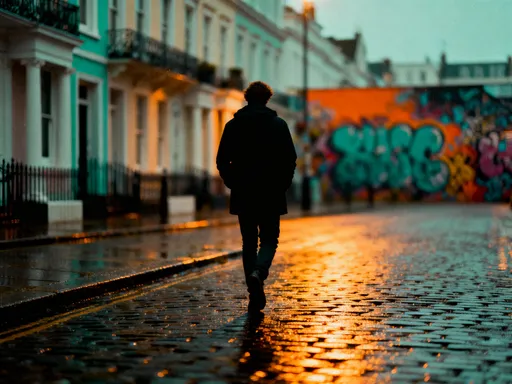
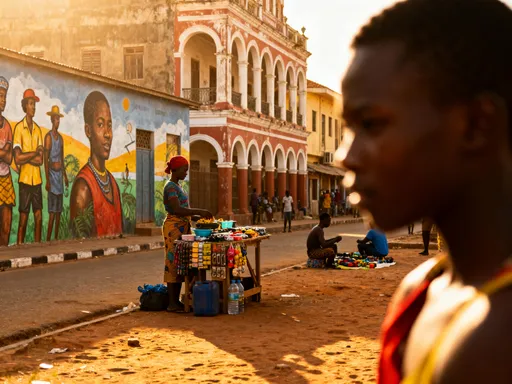
Background elements also matter. A colonial-era wall covered in street art—a mural of a woman in traditional dress with the desert behind her—creates a dialogue between past and present. Shadows stretching across a courtyard can frame a scene without showing a single face. The contrast between modern sneakers and handmade garments on a dancing child tells a story of cultural blending. Even the textures of the environment—rough sand, weathered wood, smooth stone—contribute to the mood of your images.
Shooting from low angles or unexpected vantage points can also shift perspective. A photo taken from ground level, looking up at a dancer mid-leap, conveys movement and freedom. Capturing a procession through the reflection in a shop window adds layers of meaning. These creative choices don’t require advanced equipment—just curiosity and a willingness to see differently. When you return to your photos later, it may be these quieter, more subtle images that stir the deepest emotions, reminding you not just of what you saw, but of how it made you feel.
Gear That Works—Without Standing Out
You don’t need a professional studio setup to capture the soul of Swakopmund’s festivals. In fact, bulky equipment can create distance, making you appear more like a reporter than a respectful observer. The best gear for this kind of photography is lightweight, reliable, and unobtrusive—something that allows you to move freely, respond quickly, and blend into the environment.
A mirrorless camera with a prime lens—such as a 35mm or 50mm—is ideal for street and documentary-style photography. These lenses offer excellent image quality, perform well in low light, and encourage you to get closer to your subjects in a natural way. If you prefer simplicity, a high-end smartphone with a good camera can produce stunning results, especially when paired with thoughtful composition and natural light. Many powerful festival images have been taken with nothing more than a phone and a steady hand.
Dressing casually helps you blend in. Avoid wearing vests full of lenses or carrying large bags that draw attention. Instead, wear neutral colors and comfortable shoes—this is a town of walking and wandering. Keep your camera at chest level, ready to raise when a moment unfolds. Shooting in burst mode during dynamic scenes—like a dance climax or a child’s laughter—increases your chances of catching the perfect expression.
Don’t forget sound. While photography is visual, the ambient noise of a festival—drums, singing, children’s voices, the crash of waves in the distance—adds context to your experience. Consider keeping a small voice memo app to record a few seconds of sound during key moments. Later, when reviewing your photos, playing the audio can transport you back, helping you remember not just what you saw, but what you heard and felt. Technology, when used thoughtfully, becomes a bridge to memory, not a barrier to connection.
Why These Moments Matter
Festival culture in Swakopmund is more than entertainment—it is an act of resilience, a declaration of identity, and a celebration of community in a landscape defined by silence and scale. The Namib Desert stretches endlessly, a sea of sand that can feel isolating. The ocean, though nearby, is cold and untamed. In this environment, human connection becomes a form of survival, and joy becomes a form of strength. Festivals are not escapes from reality; they are affirmations of it—proof that life, color, and rhythm persist even in the most unexpected places.
For visitors, especially those in the 30–55 age range who may be seeking meaningful travel experiences, these moments offer something profound: a reminder of what it means to belong. In a world increasingly shaped by digital distance and fast-paced living, Swakopmund’s festivals invite us to slow down, to witness, and to participate with humility. They challenge us to see beyond the surface, to appreciate not just the beauty of a scene, but the depth of the people within it.
The best photograph you take may not be the one with perfect focus or composition. It may be the one that captures a grandmother’s smile as she watches her granddaughter dance, or the quiet concentration of a man carving a drumstick by hand. It may be a blur of motion, a shadow, a fragment—but it moves you. That is the power of authentic storytelling: it doesn’t just show, it resonates.
So when you visit Swakopmund, don’t just chase the light—chase the rhythm. Let the beat guide you through the streets, into the squares, and toward the people. Come with your camera, yes, but also with your heart. Ask questions. Share a smile. Stay a little longer than expected. Because the true magic of this town isn’t in its postcard views—it’s in the pulse beneath the surface, in the laughter that rises with the evening fog, in the quiet pride of a culture that dances not for the world, but for itself. And if you’re lucky, you’ll capture not just a moment, but a feeling—one that stays with you long after the sand has left your shoes.