What I Ate in Jeju’s City Districts Will Blow Your Mind
You know that feeling when you land somewhere new and the first thing hitting your senses isn’t the view—but the smell of something sizzling on a street grill? That was me in Jeju City. I went for the beaches, stayed for the food, and honestly? The real magic was in the local neighborhoods where grandmas shout orders at tiny BBQ joints and seafood markets feel like treasure hunts. This isn’t just a travel snack run—it’s a full-flavored dive into Jeju’s soul, one district at a time.
Arrival in Jeju City: Where Food Meets Daily Life
Touching down at Jeju International Airport, the island greets visitors with a mild sea breeze and the faint aroma of roasted meat carried on the wind. Within 30 minutes, many travelers find themselves in the heart of Jeju City, where life unfolds not in grand plazas but at street corners filled with smoke, laughter, and sizzling grills. The city’s culinary rhythm begins early—long before tourists wake up, vendors are already arranging trays of marinated black pork, slicing fresh fish, and steaming buns filled with sweet tangerine paste. This is not a curated experience for outsiders; it is daily life seasoned with generations of tradition.
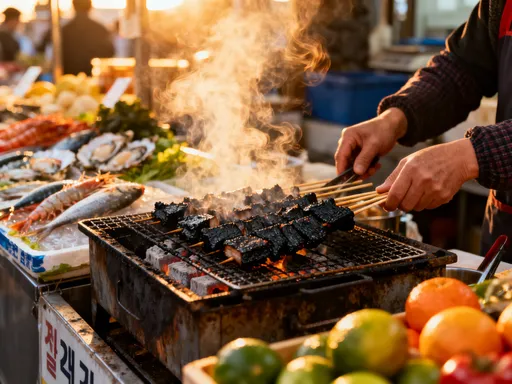
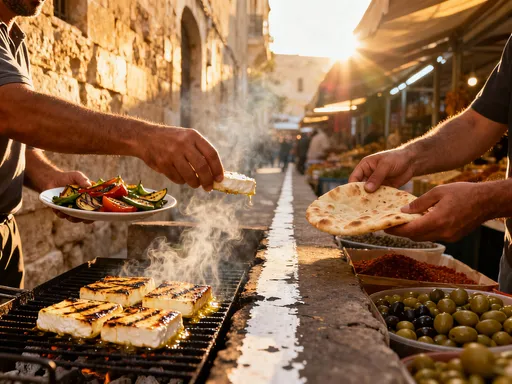
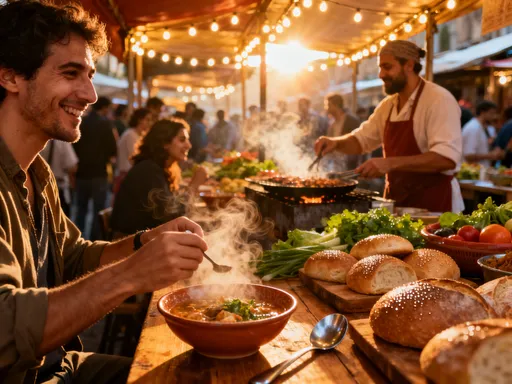
One of the most vivid introductions to Jeju’s food culture is Dongmun Market, a bustling hub that pulses with energy from dawn until well past midnight. As soon as you step inside, the air thickens with scents: charred octopus, garlic-laced sausages, and the unmistakable fragrance of grilled saury fish. Stalls overflow with local specialties—live abalone pulled from nearby waters, skewers of pork belly glazed with gochujang, and steaming cups of barley tea served in reusable glass jars. Unlike sanitized food courts, Dongmun feels alive, slightly chaotic, and deeply authentic. It’s the kind of place where language barriers dissolve over shared plates, and a nod toward the grill often means “I’ll have what they’re having.”
What sets Jeju City apart is how seamlessly food integrates into everyday routines. Office workers grab hot *bungeo-ppang* (fish-shaped pastries) stuffed with red bean or cheese for breakfast. Families gather around communal tables at dusk, roasting black pork over tabletop grills while swapping stories. Even convenience stores carry regional twists—Jeju tangerine-flavored yogurt, *hallabong* soda, and ready-to-eat *nakji bokkeum* (spicy stir-fried octopus). This constant presence of food isn’t just about sustenance; it reflects a culture that values connection, seasonality, and bold flavors passed down through time. For visitors, embracing this rhythm means stepping into the heartbeat of the island—not as spectators, but as participants.
Dongmun Market: A Food Lover’s Playground
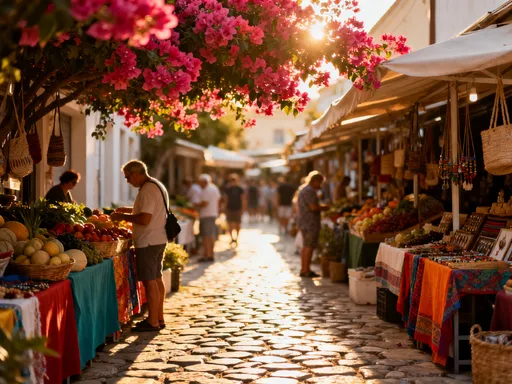
Dongmun Market is more than a destination—it’s an immersion. Spanning several blocks, it blends covered market alleys with open-air food lanes, creating a layered experience where shopping, snacking, and socializing happen simultaneously. Locals weave through the crowds with reusable bags, inspecting bundles of wild greens, jars of fermented shrimp, and baskets of freshly dug potatoes. Tourists follow closely behind, drawn less by the produce and more by the irresistible pull of the food stalls. Yet, even among the growing number of visitors, the market retains its grounded, unpretentious character. There are no souvenir trinkets here—just real food, real people, and real prices.
Among the must-try dishes is heukdwaeji, Jeju’s famed black pork belly, known for its rich marbling and deep umami flavor. Raised on island herbs and sweet potato feed, this pork is typically grilled over charcoal and dipped in a savory blend of salt, sesame oil, and chopped green onions. The texture is tender, almost buttery, with a smoky crust that forms with each turn on the grill. Equally iconic is the market’s take on bungeo-ppang, where traditional red bean filling is replaced with local ingredients like hallabong jam or even black sesame ice cream. Paired with a cup of freshly pressed hallabong soft serve, it becomes a refreshing contrast to the heavier grilled items.
What makes Dongmun exceptional is its accessibility. Whether you arrive at 7 a.m. for a steaming bowl of galbitang (beef rib soup) or 10 p.m. for late-night tteokbokki spiked with seafood, the market adapts to your rhythm. Vendors rarely speak English, menus are handwritten or absent altogether, and payment is often cash-only—but none of that feels like a barrier. Instead, it adds to the authenticity. Pointing at what your neighbor is eating, miming “one more,” or simply smiling after a delicious bite becomes its own language. In a world of Instagram-perfect food halls, Dongmun stands out not for its aesthetics, but for its soul.
Seogwipo: The Southern Flavors of Jeju
If Jeju City pulses with urban energy, Seogwipo offers a counterbalance—slower, sun-drenched, and deeply rooted in coastal traditions. Located on the southern shore, this city feels like a place where time bends around tides and fishing schedules. The air carries a brinier scent, the streets are quieter, and the food leans heavily into the ocean’s bounty. While it shares some staples with the north—black pork, tangerines, and fermented sides—Seogwipo adds its own maritime signature, turning simple ingredients into deeply satisfying meals.
At the heart of its culinary identity is Jungang Market, a less crowded but equally vibrant counterpart to Dongmun. Here, the focus is on freshness and simplicity. Stalls display glistening rows of live octopus, still curling their tentacles in seawater tanks. Fishmongers hand-cut fillets of yellow corvina and tilefish, offering samples with a smile. One of the most cherished morning rituals is ordering a bowl of jeonbok-juk, a silky abalone porridge simmered for hours with rice, ginger, and a touch of sesame oil. Served piping hot in a stone pot, it’s comfort in its purest form—especially on cooler mornings when fog rolls in from the sea.
Another local favorite is ogyeopsal, pork collar meat that’s leaner than belly but just as flavorful when grilled. Unlike the smoky intensity of city-style BBQ, Seogwipo’s version is often lighter, served with a wider array of fresh vegetables and house-made ssamjang. But perhaps the most heartwarming finds are the tucked-away gukbap restaurants—modest, family-run spots where soups arrive in large bowls alongside mounds of rice. These no-frills eateries, often run by elderly couples, serve dishes like haemul gukbap (seafood soup with rice) that taste like something a grandmother would make after a long day at sea. There’s no menu photography, no QR code ordering—just warmth, consistency, and a sense that you’ve been welcomed into someone’s daily routine.
Oedolgae and the Seafood Trail
A short drive from Seogwipo lies Oedolgae, a dramatic rock formation jutting into the ocean, famous for its scenic views and romantic sunsets. But for food-focused travelers, the real attraction begins after the hike—along the coastal road where small, unmarked seafood shacks line the shore. These modest restaurants, often family-owned and operating out of converted fishing huts, offer one of Jeju’s most authentic dining experiences: live seafood prepared simply and swiftly.
Walking into one of these shacks, you’re greeted by rows of glass tanks filled with crabs, abalone, lobster, and octopus. The ritual is straightforward: point to your choice, specify the preparation style, and wait 20 minutes. One of the most popular dishes is stir-fried crab in spicy gochujang sauce, where the shellfish is cracked, sautéed with garlic, onions, and chili paste, then served with a side of rice and pickled radish. The flavor is bold, slightly sweet, and deeply savory—the kind of meal that leaves your fingers stained red and your lips tingling. Abalone, another local treasure, might be grilled with butter and lemon or sliced raw into a refreshing sashimi-style salad.
What defines this experience is the uncompromising standard of freshness. Because many of these restaurants are run by fishermen or their families, the seafood often comes straight from the morning’s catch. There’s no need for marketing slogans like “farm-to-table” or “sustainably sourced”—it’s simply the way things have always been done. Ordering a dish here isn’t just a meal; it’s a direct link to the sea, the seasons, and the people who depend on them. For visitors, it’s a reminder that the best flavors aren’t created in high-end kitchens—they’re pulled from the water and plated with pride.
Andeok and the Rise of Farm-to-Table Eateries
Nestled in the southeastern interior, Andeok-myeon is a quiet, green district known for its organic farms, rolling hills, and clean air. Far from the tourist crowds, this area has become a haven for slow food enthusiasts and eco-conscious diners. Here, agriculture isn’t just an industry—it’s the foundation of flavor. Farms cultivate everything from pesticide-free vegetables to free-range eggs, supplying nearby restaurants that prioritize seasonality and sustainability.
One of the standout dishes in Andeok is maeuntang, a fiery fish stew packed with fresh catch, tofu, mushrooms, and chili paste. Unlike the heavier versions found in cities, this rendition emphasizes brightness and balance, using local greens like *deodeok* (mountain root) and *ssamchae* (perilla leaves) to cut through the heat. Served with a basket of freshly steamed rice and a side of *jeju chonggak* kimchi—made from young radishes pickled with red pepper and garlic—it’s a meal that feels both nourishing and invigorating.
Another highlight is the network of bamdabang, traditional tea houses perched on hillsides or tucked between orchards. These serene spots serve Jeju’s famed green tea and tangerine-infused beverages, often paired with handmade desserts like hallabong mousse, tangerine tart, or honey-drizzled pancakes. The honey itself—harvested from bees that forage on wild tangerine blossoms—is a regional treasure, its floral notes adding depth to both sweet and savory dishes. In Andeok, dining is not rushed. It’s an invitation to linger, breathe, and reconnect with the source of your food.
Gangjeong Village and the New Food Scene
Once a quiet fishing village, Gangjeong has evolved into a creative food destination where tradition meets innovation. Located along the southern coast, it’s now home to repurposed shipping containers turned cafes, pop-up fusion restaurants, and artisanal bakeries. This transformation hasn’t erased its roots—in fact, many of the new establishments honor local ingredients while presenting them in unexpected ways.
One of the most talked-about dishes is the black pork taco, a playful nod to global flavors while staying true to Jeju’s signature ingredient. Served on handmade corn tortillas with pickled vegetables, cilantro, and a drizzle of gochujang crema, it bridges cultures without losing its identity. Similarly, hallabong lemonade—a fizzy, tangy drink made with fresh tangerine juice and sparkling water—has become a staple at seaside kiosks, offering a refreshing alternative to sugary sodas.
What’s striking about Gangjeong is how thoughtfully change has been embraced. There are no chain restaurants, no mass-produced menus. Instead, young chefs and entrepreneurs are reimagining local cuisine with respect, not replacement. A former fisherman’s shed might now serve abalone risotto, but the abalone is still sourced locally, and the rice is cooked with seawater for a subtle salinity. This balance—between innovation and reverence—makes Gangjeong a microcosm of Jeju’s evolving food identity. It proves that tradition doesn’t have to be frozen in time to remain authentic.
How to Eat Like a Local: Practical Tips for Food-Centric Travel
To truly experience Jeju’s culinary landscape, timing and strategy matter. Markets like Dongmun and Jungang are best visited in the early morning, when the air is cool, the crowds are thin, and the seafood is at its freshest. By 9 a.m., many vendors begin packing up their most delicate items, so arriving early increases your chances of tasting live abalone, just-shucked oysters, or warm hotteok (sweet pancakes) straight from the griddle.
At night, the energy shifts. Food alleys come alive with neon signs, sizzling grills, and groups sharing bottles of soju. This is when black pork BBQ restaurants fill up, and street vendors fire up their woks for late-night stir-fries. If you prefer a quieter experience, consider visiting smaller towns like Andeok or Aewol in the late afternoon, when farm restaurants are still open and the pace is unhurried.
Spotting authentic spots requires observation. Look for places crowded with locals, especially older residents—this is often the best indicator of quality. Handwritten menus in Korean, minimal English signage, and cash-only payments are common traits of genuine establishments. Avoid restaurants with photo menus, pushy staff, or inflated prices near major tourist sites. When in doubt, follow the scent of grilling meat or ask a shopkeeper for a recommendation.
Transportation plays a key role in accessing hidden gems. While public buses connect major towns, they may not reach remote farm restaurants or coastal shacks. Renting a car offers flexibility, allowing you to explore at your own pace and stop at roadside stands selling fresh tangerines, honey, or homemade kimchi. For those without a license, guided food tours led by local residents are an excellent alternative, providing access to off-the-beaten-path locations and cultural context behind each dish.
Conclusion
Jeju Island isn’t just about volcanic trails and ocean views—it’s a living kitchen where every district serves up its own flavor story. From the sizzle of black pork in Jeju City to the quiet comfort of abalone porridge in Seogwipo, eating here is an act of cultural connection. The best souvenirs? The tastes you can’t recreate back home. So slow down, follow your nose, and let the island feed you—because in Jeju, every meal feels like an invitation.