You Won’t Believe What I Ate in Vang Vieng’s Hidden Food Spots
Vang Vieng, Laos, isn’t just about rivers and cliffs—it’s a food lover’s secret playground. I went looking for adventure and found myself diving into steaming bowls of khao soi in family-run shacks and sipping lao-lao in open-air markets. The real magic? Eating where locals eat, in cultural venues alive with tradition, laughter, and bold flavors. This is food with soul, served in places that tell stories. Every bite carries the weight of generations, the scent of jungle herbs, and the warmth of shared tables. In a town often seen through the lens of tubing and trekking, the culinary heartbeat pulses quietly but powerfully beneath the surface, waiting for those willing to wander off the beaten path and follow the smoke, the sizzle, and the smiles.
The Unexpected Heart of Vang Vieng: Food & Culture
At first glance, Vang Vieng appears defined by its dramatic limestone karsts and the meandering Nam Song River, where travelers float lazily beneath towering cliffs. Yet beneath this postcard-perfect scenery lies a deeper rhythm—one shaped by daily rituals around food. In this central Lao town, meals are not merely sustenance but acts of connection, memory, and identity. Local eateries, often little more than open-air shelters with plastic stools and hand-painted signs, function as informal community centers. Here, elders gather at dawn with steaming bowls of rice porridge, children share grilled corn after school, and neighbors exchange news over shared platters of spicy papaya salad.
What makes Vang Vieng’s food culture so compelling is its authenticity. Unlike many tourist destinations where cuisine is adapted for foreign palates, much of what’s served here remains unchanged by globalization. Traditional Lao cooking relies on fresh, locally sourced ingredients prepared using methods passed down through generations. Sticky rice, steamed in bamboo tubes or woven baskets, is not just a staple—it’s a centerpiece, eaten with the hands and used to scoop up rich curries, fermented dips, and grilled meats. Meals unfold slowly, without rush, reflecting a lifestyle rooted in mindfulness and togetherness.
These kitchens preserve more than recipes—they safeguard heritage. Many dishes carry symbolic meanings tied to seasonal cycles, spiritual beliefs, or communal values. For instance, certain soups are prepared during the rainy season to cleanse the body, while fermented fish sauce, a cornerstone of Lao flavor, represents patience and preservation, requiring months of careful fermentation. In Vang Vieng, food is not a commodity but a living expression of culture, where every ingredient tells a story and every meal strengthens social bonds.
Morning Bites: Markets and Street Vendors That Start the Day Right
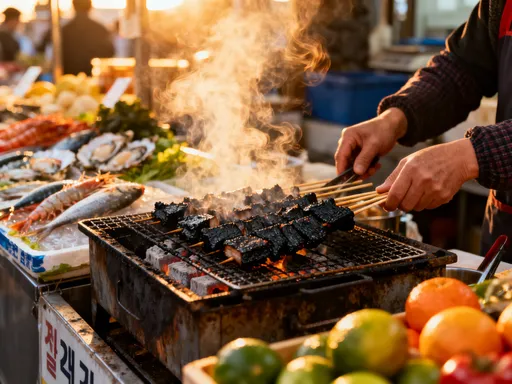
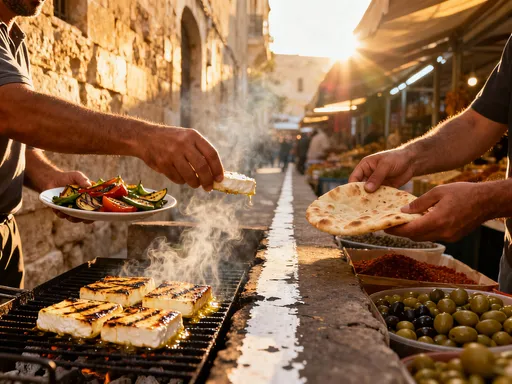
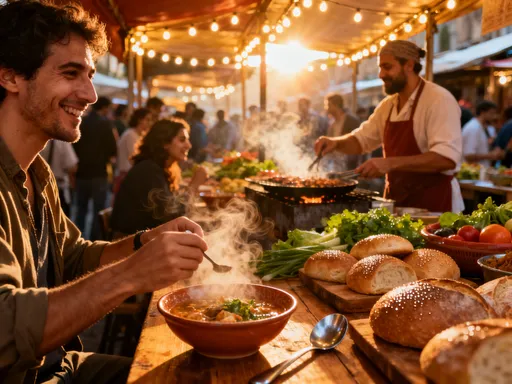
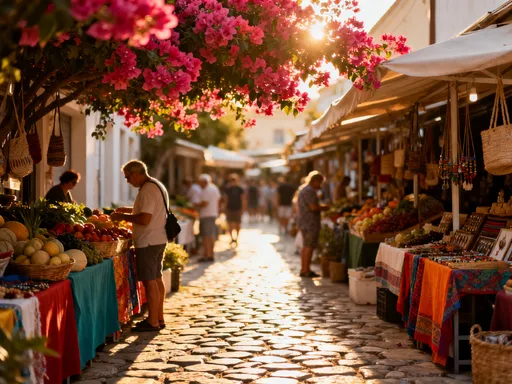
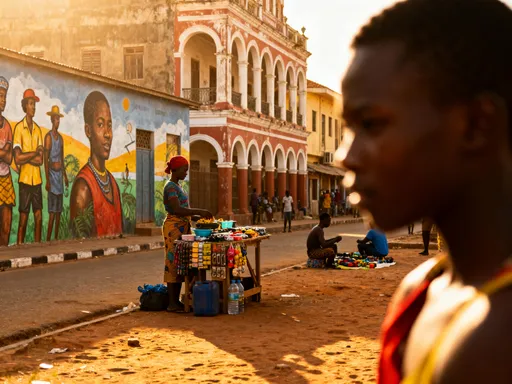
If you want to understand the soul of Vang Vieng, start your day at one of its bustling morning markets. Long before the sun climbs high, vendors are already arranging their wares on low wooden tables or spreading mats on the ground. The air hums with energy—chatter in Lao, the clink of metal bowls, the crackle of charcoal fires. This is where daily life begins, not in silence, but in a symphony of scents and sounds. The fragrance of toasted sesame seeds mingles with the earthy aroma of simmering broths, while plumes of smoke rise from grills where sausages sizzle and corn turns golden brown.
One of the most iconic sights is the pyramid of sticky rice baskets, each covered with a woven lid to keep the grains warm. Khao niew, as it’s called, is the foundation of nearly every Lao meal. Vendors serve it alongside an array of small dishes—spicy dips made from fermented soybeans or chili paste, grilled pork skewers, and fresh herbs wrapped in banana leaves. A popular morning favorite is sai oua, a fragrant Lao sausage packed with lemongrass, galangal, kaffir lime leaves, and chilies. It’s grilled over open flames until the casing crackles, then served with raw vegetables for dipping and cooling.
For those seeking something lighter, herbal teas brewed from local plants offer a soothing start. One elderly vendor, known simply as Auntie Noi, stirs a large pot of lemongrass and ginger tea every morning, adding a hint of wild honey collected from nearby hills. She smiles as she hands over a small cup, explaining in broken English that it’s good for digestion and the spirit. These interactions—simple, genuine, unhurried—are what make the market experience so powerful. It’s not just about eating; it’s about belonging, even if only for a moment.
Hidden Eateries: Small-Scale Venues with Big Stories
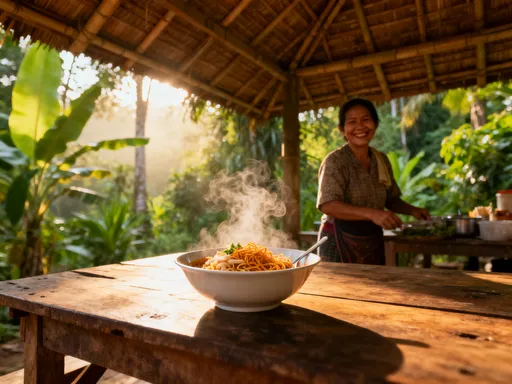
While the main road through Vang Vieng is lined with guesthouses and Western-style cafes, the true culinary treasures lie hidden down narrow alleyways and unpaved side streets. These unassuming spots—often family-run and lacking formal signage—offer some of the most authentic meals in the region. One such place, tucked behind a row of fruit trees, is a wooden shack run by a grandmother and her two granddaughters. They serve only three dishes daily: a slow-cooked pork stew, a fiery green papaya salad, and a banana-leaf-wrapped fish grilled over coconut husks.
The grandmother, who speaks no English, gestures proudly as she explains—through a neighbor’s translation—that her recipes have been in the family for over fifty years. Her daughter learned them from her mother, who learned them from hers. The stew, simmered for hours with tamarind, galangal, and river fish, is unlike anything found in tourist restaurants. It’s complex, sour, salty, and deeply comforting—a taste of history in every spoonful. The family doesn’t advertise; they rely on word of mouth and the occasional curious traveler who follows the scent of spices through the neighborhood.
These small kitchens are more than restaurants—they are acts of cultural preservation. In an era when convenience often trumps tradition, families like this one keep ancestral knowledge alive. Their menus are not written down but remembered, their techniques learned by watching and doing. There’s no menu in English, no online reservation system, no Instagrammable plating. What you get is honesty on a plate—food made with care, served with pride, and rooted in place. To eat here is to participate in something rare and precious: a living culinary tradition that resists homogenization.
Riverside Eats: Where Scenery Meets Simplicity
No visit to Vang Vieng is complete without a meal beside the Nam Song River. Along its banks, simple bamboo platforms extend over the water, supported by wooden stilts and shaded by thatched roofs. These makeshift restaurants offer some of the freshest, most satisfying food in the area. The menu is limited but intentional—grilled fish, spring rolls, noodle soups, and cold Beerlao beer served in condensation-covered bottles. The experience is as much about the setting as the food: the gentle lap of water, the dappled sunlight through overhanging trees, the occasional splash of a jumping fish.
One of the most beloved dishes here is pa daek, a type of fermented fish grilled in banana leaves. It’s an acquired taste for some, with a pungent aroma and intense umami flavor, but it’s deeply cherished by locals. The fish is caught fresh from the river each morning, marinated with herbs and spices, then wrapped tightly and cooked over glowing embers. When unwrapped, the leaves release a cloud of fragrant steam, revealing tender, flaky flesh infused with smoky depth. It’s served with sticky rice and a side of raw vegetables—cucumber, long beans, and bitter melon—to balance the richness.
The pace of dining here is slow, almost meditative. There are no timers, no rush to turn tables. Servers move calmly, often barefoot, bringing dishes one at a time. Conversations drift in and out, sometimes in Lao, sometimes in broken English or French. Children play nearby, skipping stones or wading in shallow water. This is the essence of Lao hospitality—not performative, not rushed, but deeply present. The riverside meal is not just a culinary experience; it’s a lesson in presence, in savoring the moment, in letting the world slow down.
Festivals and Feasts: Seasonal Flavors That Bring Communities Together
While everyday meals in Vang Vieng are rich with meaning, it is during festivals that food truly becomes a communal art form. The most significant of these is Pii Mai, the Lao New Year, celebrated in mid-April. For three days, the town transforms. Streets are cleaned, altars are decorated with flowers and incense, and families prepare elaborate meals to share with neighbors, monks, and visitors. The air fills with the scent of roasting meat, boiling rice, and sweet coconut desserts.
One of the highlights of Pii Mai is the preparation of khao jee, a type of grilled sticky rice loaf. Unlike regular sticky rice, khao jee is mixed with egg, coconut milk, and a touch of sugar, then wrapped in banana leaves and roasted until golden. It’s served with a rich chicken or pork curry, often made with homemade chili paste and wild herbs. Another festival favorite is or lam, a hearty stew from southern Laos that has found its way into Vang Vieng homes during special occasions. It combines buffalo skin, eggplant, chilies, and fermented fish, creating a dish that is both nourishing and deeply symbolic of resilience and abundance.
These feasts are not just about eating—they are acts of generosity and spiritual offering. Before meals are consumed, portions are set aside for ancestral spirits and temple monks. Food is placed on low tables in homes or carried in woven baskets to local wats (temples), where monks chant blessings in return. The act of sharing food during Pii Mai reinforces social ties and expresses gratitude for the past year while welcoming the new. For visitors lucky enough to witness this, it’s a powerful reminder that in Lao culture, food is never just food—it is prayer, memory, and love made tangible.
From Farm to Table: How Local Ingredients Shape the Flavor
The exceptional taste of Vang Vieng’s cuisine begins long before it reaches the plate. It starts in the fields, gardens, and rivers that surround the town. Most ingredients are grown or harvested locally, often within walking distance of the kitchens that use them. In the early morning, farmers bring baskets of fresh produce to market—bitter greens, morning glory, eggplant, and long beans, all grown without chemical fertilizers. Herbs like dill, mint, and sawtooth coriander are sold in fragrant bunches, their leaves still dewy from the morning harvest.
One afternoon, I accompanied a local woman named Noy to her family garden on the edge of town. She pointed out plants I had never seen before: a creeping vine with purple flowers used in soups, a spiky herb that adds a citrusy kick to salads, and a wild banana variety whose stem is sliced thinly and cooked in curries. Everything is used with intention—nothing is wasted. Even banana leaves, commonly used as natural food wrappers, are harvested sustainably from backyard trees.
Fish from the Nam Song River remain a cornerstone of the diet. Small-scale fishermen use traditional methods—bamboo traps, hand lines, and woven nets—ensuring minimal environmental impact. The fish are cleaned and cooked the same day, preserving freshness and flavor. Fermented sauces, another hallmark of Lao cuisine, are made in clay jars stored under shaded eaves. These sauces develop complex flavors over weeks or months, shaped by temperature, humidity, and time. This deep connection to the land and water ensures that Vang Vieng’s food is not only delicious but also deeply rooted in its environment—a true expression of terroir.
Eating Like a Local: Practical Tips for Authentic Food Exploration
For travelers eager to experience Vang Vieng’s food culture beyond the tourist trail, a few simple strategies can make all the difference. First, arrive early. Many of the best street vendors and family kitchens sell out by mid-morning, especially on weekends. Second, learn a few basic Lao phrases. While many younger people speak some English, older vendors may not. Knowing how to say “sabaidee” (hello), “kop chai” (thank you), and “maak” (very) can go a long way in building rapport.
When choosing where to eat, look for places crowded with locals. A line of motorbikes parked outside a humble shack is often the best indicator of quality. Don’t be afraid to point at what others are eating or to gesture for a sample. Most vendors are happy to share, especially when they see genuine interest. If you’re unsure about spice levels, ask for “not too hot” or request chili on the side. Many Lao dishes are naturally spicy, but adjustments can usually be made.
Hygiene is generally good in local markets, but it’s wise to choose stalls where food is cooked fresh and served hot. Bottled water is widely available, but if you’re offered filtered or boiled water, it’s usually safe. When in doubt, follow the lead of the people around you. And above all, approach each meal with curiosity and respect. A smile, a nod, a willingness to try something new—these small gestures open doors far more effectively than any phrasebook. The best meals in Vang Vieng aren’t found in guidebooks; they’re discovered through connection, patience, and the courage to step off the main road.
Vang Vieng’s true flavor isn’t just on the plate—it’s in the shared moments, the wooden tables under bamboo roofs, and the hands that prepare each dish. More than a destination, it’s a reminder that the best travel experiences are often served with a side of human connection. Whether you’re sipping herbal tea at dawn, unwrapping a fish grilled in banana leaves, or joining a festival feast, you’re not just tasting food—you’re participating in a culture that values slowness, generosity, and the simple joy of eating together. In a world that often moves too fast, Vang Vieng offers a different rhythm, one measured in steam, smoke, and smiles. Come for the scenery, stay for the stories—and let the food guide you home.