You Won’t Believe These Hidden Urban Gems in Cape Coast
Cape Coast, Ghana, is more than just history and coastline—it’s a vibrant urban canvas waiting to be explored. From colorful street art to lively markets and colonial-era architecture, the city blends culture and creativity in unexpected ways. I was blown away by how photogenic every corner felt, like stepping into a living Instagram feed. This isn’t just travel—it’s visual storytelling at its finest. While many visitors come for the UNESCO World Heritage Site of Cape Coast Castle or the sun-kissed shores of Busua Beach, few take the time to wander deeper into the city’s urban heart. What they miss is a dynamic, evolving landscape where tradition meets modern expression in the most authentic forms. This is a place where everyday life unfolds in vivid color, rhythm, and texture—where every alleyway, market stall, and café tells a story. In this guide, we’ll explore the lesser-seen side of Cape Coast, one that rewards curiosity and celebrates the beauty of urban Ghana through the lens of mindful exploration and photography.
The Pulse of Urban Cape Coast
Cape Coast pulses with a rhythm all its own—a steady beat shaped by the footsteps of market women balancing baskets, the calls of fish vendors near the jetty, and the hum of tro-tros weaving through narrow streets. This is not a city frozen in time, nor one racing toward modernity at the expense of its roots. Instead, it exists in a delicate balance, where colonial-era buildings stand shoulder to shoulder with brightly painted shops and open-air barbershops humming with conversation. Neighborhoods like Asafo and North Ridge offer a glimpse into this duality. Asafo, historically a warrior district, now thrives as a cultural hub where elders gather under mango trees and youth practice dance routines in open courtyards. North Ridge, once home to British administrators, retains its wide boulevards and stately homes, now repurposed as schools, offices, and family residences, their verandas draped in bougainvillea.
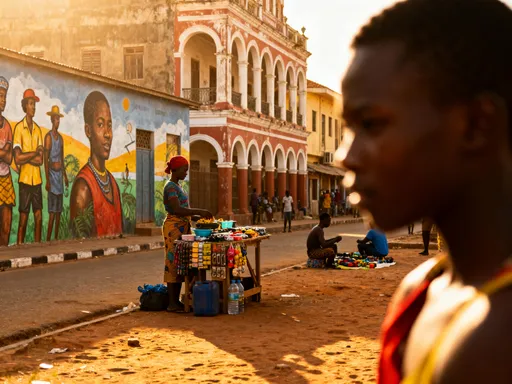
What makes Cape Coast so uniquely compelling for urban explorers is how naturally these layers coexist. There’s no forced preservation or tourist-only zones—just life, unfolding in real time. A grandmother sells kelewele from a charcoal brazier steps away from a mural of Nana Akua, a legendary queen mother, her image rendered in bold geometric patterns. A tailor operates from a ground-floor room, the whir of his sewing machine blending with gospel music drifting from a nearby radio. These moments aren’t staged; they’re the fabric of the city. For photographers and travelers alike, this authenticity is invaluable. It offers not just visual richness but emotional resonance—the kind that transforms a simple snapshot into a lasting memory.
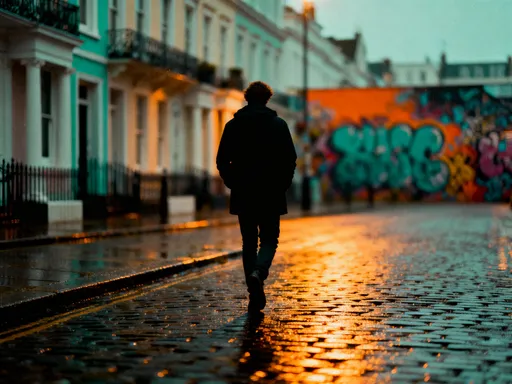
The city’s urban energy also makes it exceptionally instagrammable beyond the usual landmarks. While the castle and beach draw crowds, the real visual treasure lies in the in-between spaces: a staircase painted in rainbow stripes, a schoolgirl in a crisp blue uniform walking past a graffiti-covered wall, or a fruit cart piled high with oranges and passion fruit under a patch of golden light. These are the scenes that capture the soul of Cape Coast—not as a museum piece, but as a living, breathing city. To experience it fully is to slow down, observe, and appreciate the quiet poetry of daily life.
Street Art and Architectural Contrasts
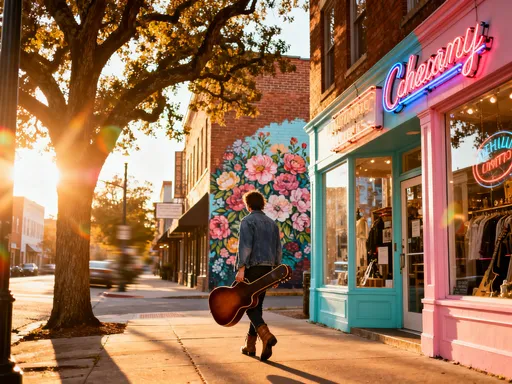
One of the most striking features of urban Cape Coast is its evolving visual language, expressed through street art and architectural fusion. Unlike curated galleries or tourist-centric installations, the city’s public art emerges organically—from hand-painted signs to elaborate murals on market walls and even decorated metal shutters that roll down each evening. These works are not merely decorative; they reflect local identity, pride, and creativity. In areas near the old market and Fort William, walls come alive with scenes of fishing boats at sunrise, Adinkra symbols woven into abstract designs, and portraits of community leaders. The use of color is bold and intentional: cobalt blues, sunflower yellows, and deep terracottas dominate, chosen both for their vibrancy and their ability to withstand the coastal sun.
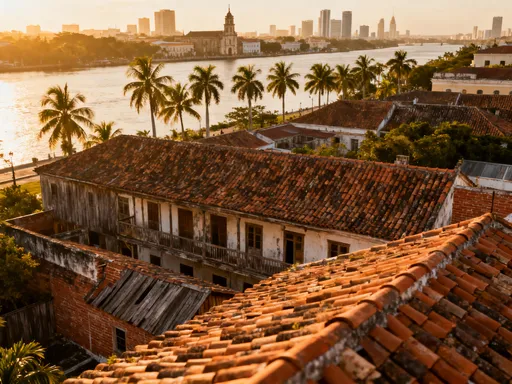
The architecture of Cape Coast adds another layer to this visual tapestry. Colonial buildings with shuttered windows and high ceilings stand alongside modern concrete homes adorned with intricate ironwork and painted gates. This blend creates a unique aesthetic that is neither purely historic nor entirely contemporary, but something distinctly Ghanaian. In neighborhoods like Fijai and Effutu, it’s common to see a 19th-century mission church with coral stone walls nestled between a brightly colored pharmacy and a phone credit kiosk wrapped in vinyl advertisements. These contrasts are not jarring—they feel harmonious, a testament to the city’s ability to absorb change without losing its character.
For photographers, these architectural and artistic elements offer endless opportunities. Early morning light casts long shadows across textured walls, highlighting cracks, paint drips, and the handprints of artists. Late afternoon brings a warm glow that enhances the saturation of colors, making murals appear almost three-dimensional. One particularly photogenic stretch runs along High Street near the old magistrate’s court, where a series of murals depict Cape Coast’s fishing heritage—men mending nets, women carrying baskets of smoked fish, and children playing on the rocks. Another standout is a narrow alley in Asafo, transformed by a community-led art project into a rotating gallery space, where new pieces appear every few months, often themed around education, unity, or environmental awareness.
Markets as Living Studios
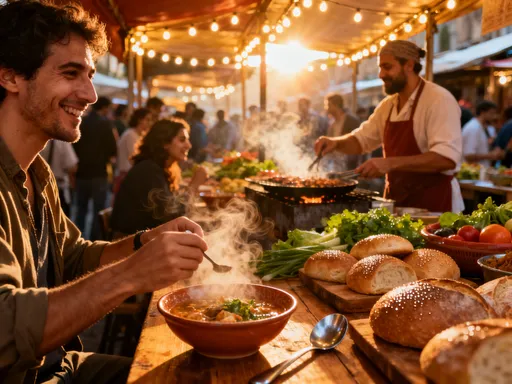
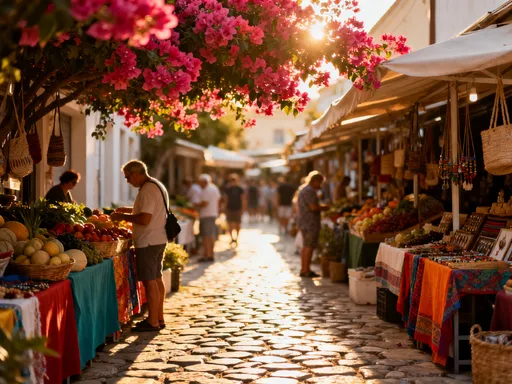
If Cape Coast has a heartbeat, it beats loudest in its markets. Kejetia Market, one of the largest in the region, is more than a place to shop—it’s a living studio of color, movement, and human connection. From the moment you step inside, the senses are awakened: the scent of dried fish and fresh ginger, the rustle of plastic bags, the rhythmic chopping of cassava at food stalls. Vendors sit behind mounds of plantains, pineapples, and tomatoes stacked in perfect pyramids, their bright hues glowing under the filtered light of corrugated metal roofs. Bolts of kente, smock, and lace fabric spill from tables, creating a kaleidoscope of patterns that shift with the breeze.
For photographers, Kejetia offers a masterclass in composition and storytelling. Candid moments abound: a mother adjusting her baby’s wrap while bargaining for onions, a group of women laughing as they inspect a new shipment of beads, or an elderly man carefully weighing spices on an antique scale. Still-life opportunities are equally rich—a basket of red peppers beside a chipped enamel bowl, a pair of worn leather sandals next to a stack of secondhand books. The key to capturing these scenes lies in respect and patience. Always ask permission before photographing individuals, and when possible, engage in brief conversation. A smile and a simple “Can I take a photo?” in English or broken Twi often open doors—and faces.
Timing matters. The market is most vibrant in the early morning, between 7:00 and 10:00 a.m., when deliveries arrive and energy is high. Midday brings a lull, with many vendors retreating to shaded corners for lunch or prayer. Late afternoon sees a second wave as people return from work to buy dinner ingredients. Smaller neighborhood markets, like those in Abura or Osu, offer a more intimate experience. These are quieter, less crowded, and often more visually cohesive—ideal for capturing the essence of local trade without sensory overload. Whether in Kejetia or a side-street stall, the goal is not just to take pictures, but to honor the dignity and craftsmanship of those who make the market thrive.
Cafés and Urban Hangouts with Character
Amid the bustle of urban life, Cape Coast has cultivated a new generation of gathering spaces—cafés and lounges that blend comfort, creativity, and local flavor. These are not cookie-cutter chains but independently owned spots with personality, often designed with repurposed materials, lush greenery, and local art. One standout is a sea-facing café in Nyansakia, built from converted shipping containers and painted in seafoam green and coral. Its open-air layout invites the ocean breeze, and its menu features fresh coconut water, plantain chips, and homemade ginger tea. The seating area, shaded by palm fronds, is a favorite among students, freelancers, and visiting creatives who come to work, chat, or simply watch the waves.
Another gem is a garden café tucked behind a residential compound in Fijai, accessible through a narrow gate draped in jasmine. Inside, string lights hang above wooden tables, and potted hibiscus line the pathways. The owner, a former textile designer, displays her fabric creations on the walls, and live acoustic music occasionally fills the air on weekend evenings. This kind of space exemplifies the city’s quiet cultural renaissance—a place where art, food, and community intersect. For photographers, these cafés offer ideal conditions: soft natural light, thoughtful design, and authentic human interaction. A steaming cup of cocoa tea beside a sketchbook, a couple sharing a platter of fried yam, or a barista pouring milk into a frothy cappuccino—all make for compelling, warm images.
These urban hangouts are more than aesthetic backdrops; they represent a shift in how young Ghanaians engage with their cities. They are spaces of rest, expression, and connection—places where ideas are exchanged and identities formed. For travelers, visiting them is a way to move beyond the role of observer and become part of the rhythm. Whether you’re sipping hibiscus juice at a sidewalk kiosk or sketching in a quiet courtyard, you’re participating in the city’s evolving story. And from a visual storytelling perspective, these moments—quiet, unposed, and genuine—are often the most powerful.
Navigating the City for Visual Impact
Exploring Cape Coast with a photographer’s eye requires more than a good camera—it demands intention, timing, and awareness. The city rewards those who walk, who pause, and who pay attention to the details. A recommended route begins at the old market, where the morning light highlights the textures of painted shutters and fruit displays. From there, a short walk along High Street leads to Fort William and the surrounding alleys, rich with murals and architectural details. Continuing toward Asafo, you’ll pass schools, small churches, and open plazas where children play football with a makeshift ball. The route ends at the coastline near Kakum National Park’s entrance, where the light softens and the air cools.
Transportation options vary. For short distances, walking is ideal—it allows for spontaneous stops and deeper immersion. For longer stretches, tro-tros (minibuses) are affordable and authentic, though less predictable in schedule. Shared taxis and ride-hailing apps like Uber are available in certain zones and offer more comfort and control. When traveling with photography gear, it’s wise to use a discreet bag and avoid flashing expensive equipment. Safety in Cape Coast is generally good, especially in daylight and well-populated areas, but it’s always best to stay aware of surroundings, keep valuables secure, and avoid isolated streets at night.
Lighting is crucial. The golden hours—shortly after sunrise and before sunset—offer the most flattering conditions, with warm, diffused light that enhances colors and minimizes harsh shadows. Overcast days, often during the rainy season, provide a natural softbox effect, perfect for portraits and detailed shots. Weekends bring added vibrancy, with more street activity, pop-up vendors, and informal performances in public squares. By aligning your route with these elements, you maximize both visual impact and cultural connection. The goal is not to rush from site to site, but to move with purpose and presence, allowing the city to reveal itself gradually.
Local Culture Meets Modern Expression
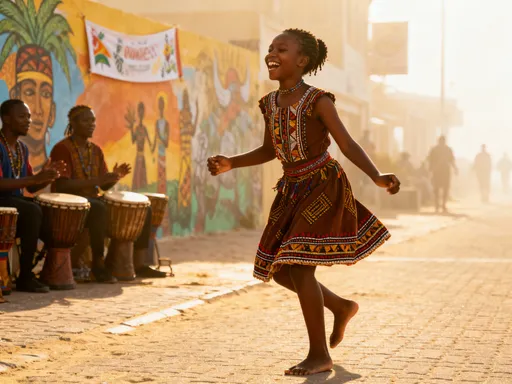
Cape Coast’s urban identity is increasingly shaped by its youth, who are redefining tradition through fashion, music, and public art. While the city honors its past—evident in drumming ceremonies at festivals like Fetu Afahye—its present is equally dynamic. In public squares, young people gather for impromptu dance-offs, their movements blending Afrobeat rhythms with global influences. Pop-up markets showcase handmade jewelry, screen-printed T-shirts with Ghanaian proverbs, and upcycled accessories, all reflecting a growing pride in local design.
Mural festivals, often organized by local NGOs and art collectives, have become annual highlights, transforming blank walls into vibrant storytelling canvases. These events draw artists from across the region and invite community participation, with children adding handprints or painting small sections under guidance. The themes are often uplifting—education, environmental stewardship, unity—offering positive narratives that counter stereotypes about African cities. For photographers, these gatherings provide access to authentic, energetic moments: a spray-paint artist stepping back to admire a finished piece, a crowd clapping as a mural is unveiled, or a teenager wearing a hand-painted jacket that reads “Proud of My Soil.”
Music, too, plays a central role. Sound systems blast highlife and azonto in neighborhood courtyards, while young producers experiment with digital beats in home studios. These sounds spill into the streets, creating an invisible soundtrack to daily life. Capturing this cultural fusion—traditional drumming practiced alongside electronic music production—offers a nuanced portrait of urban Ghana. It shows a generation that respects heritage while embracing innovation, shaping a future that is both rooted and forward-looking. These are the moments that deserve to be seen, shared, and celebrated.
Why Cape Coast’s Urban Side Deserves the Spotlight
Too often, travel narratives focus on the iconic at the expense of the intimate. Cape Coast Castle is undeniably powerful, and its beaches are undeniably beautiful—but they are not the whole story. The true richness of the city lies in its streets, its people, and the quiet moments of creativity that unfold every day. By turning our attention to the urban fabric—the murals, markets, cafés, and cultural expressions—we gain a deeper, more authentic understanding of what Cape Coast is today.
This shift in perspective is not just about photography; it’s about respect and representation. When travelers engage mindfully—with permission, with curiosity, with humility—they contribute to a more truthful and dignified portrayal of Ghanaian life. They move beyond the postcard and into the lived experience. And in doing so, they help elevate stories that are often overlooked: the artist revitalizing a forgotten alley, the vendor who has sold spices in the same spot for thirty years, the youth building a creative community from the ground up.
Cape Coast’s urban side deserves the spotlight because it reflects resilience, adaptation, and beauty in motion. It invites us to slow down, to look closely, and to see not just a destination, but a home. So the next time you plan a trip to Ghana, go beyond the guidebook. Walk the side streets. Talk to the people. Frame the ordinary—and discover how profoundly extraordinary it can be. Let your lens not only capture light, but also honor the lives it touches. Explore, create, and share—because the real magic of Cape Coast isn’t just in its past, but in its present, pulsing with life, waiting to be seen.