You Gotta See Paramaribo from These Spots — Mind-Blowing Views You Won’t Forget
If you think Paramaribo is just colonial buildings and bustling markets, wait till you see it from above. I didn’t expect this sleepy capital to hide such stunning viewpoints — each offering a different soul of the city. From church towers to riverside lookouts, the skyline comes alive at golden hour. This isn’t your average guidebook fluff — these are real spots I’ve tried, tested, and fallen in love with. Ready to see Suriname’s capital in a whole new light?
Why Viewpoints Make or Break Your Paramaribo Trip
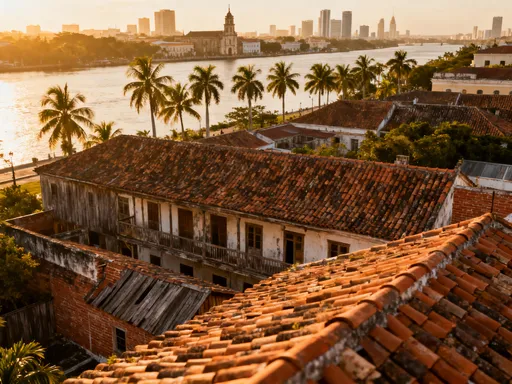
Traveling to a new city often means absorbing its rhythm street by street, market by market. But in Paramaribo, it’s the elevated moments that stitch the pieces together. From above, the city reveals itself not as a collection of wooden facades and roadside vendors, but as a layered tapestry where Dutch colonial elegance meets tropical exuberance. The real magic happens when you rise just a few stories — suddenly, the red-tiled roofs stretch like waves, the Suriname River glimmers in the distance, and green canopies spill over alleyways and boulevards alike.
What surprised me most was how little I knew before arriving. I’d pictured Paramaribo as a quiet administrative hub — pleasant, perhaps, but not particularly memorable. Then I climbed my first tower and saw the sunlight catch the spire of a distant church, watched fishing boats drift beneath the haze of early evening, and realized this city had been hiding its poetry in plain sight. Elevation doesn’t just change your view; it changes your understanding. It turns a casual visit into a revelation.
From above, you begin to see patterns — how the grid of streets follows the old Dutch planning, how the tallest trees grow in former plantation gardens, how the river shapes everything from commerce to culture. These perspectives aren’t just visually rewarding; they’re emotionally grounding. They offer clarity. And in a country as rich in biodiversity and cultural fusion as Suriname, clarity is a gift. Whether you're a first-time traveler or a seasoned explorer, seeing Paramaribo from above transforms a simple tour into a meaningful encounter with place and history.
The Must-Try Classic: Cathedral of Saint Peter and Paul Tower
No visit to Paramaribo is complete without ascending the tower of the Cathedral of Saint Peter and Paul. This striking neo-Gothic structure, built in the late 19th century, dominates the city’s skyline with its twin spires and intricate wooden architecture. But the true reward lies in climbing the narrow, winding staircase to the upper viewing platform. It’s not for the faint of heart — the steps are steep and the space confined — but the effort is repaid instantly with a 360-degree panorama that captures the essence of the capital.
From this vantage point, the city unfurls in every direction. To the south, you see the orderly grid of historic streets lined with pastel-colored buildings. To the north, the Suriname River cuts a wide path toward the Atlantic, flanked by mangroves and docks. East and west, the urban fabric blends seamlessly into lush greenery, a reminder that nature is never far away. The cathedral itself is a marvel — constructed almost entirely of wood, including its soaring spires, a testament to the craftsmanship of local artisans during the colonial era.
The best time to make the climb is late afternoon, about an hour before sunset. The light turns soft and golden, casting long shadows across the rooftops and highlighting the textures of weathered wood and red clay tiles. This is when photographers flock here, but even without a camera, the scene is unforgettable. The air grows cooler, the city hums with the rhythm of returning commuters, and the river begins to shimmer under the fading sun. Plan your visit between 3 PM and 5 PM, when the cathedral is open to visitors and the staff is accustomed to tourists making the ascent. There’s a small fee — less than five dollars — which helps maintain the site.
Hidden Gem: The Water Tower (Watertoren) Overlook
Just a short walk from the city center stands the Watertoren, or Water Tower, a relic of Paramaribo’s early 20th-century infrastructure development. While no longer in active use, it remains a quiet landmark with an understated charm. What many visitors don’t realize is that the grounds around the tower include a low-rise observation deck that offers one of the clearest, most unobstructed views of the Suriname River and the northern edge of the city. Unlike the cathedral, this spot sees fewer tourists — making it a favorite among locals for quiet reflection and sunset walks.
Originally built to regulate water pressure in the growing capital, the Watertoren symbolizes a time when Paramaribo was modernizing rapidly. Its brick structure stands in contrast to the wooden colonial buildings nearby, a subtle reminder of changing technologies and urban needs. Today, the area around it has been landscaped into a small park with benches, shaded pathways, and native plants. The viewing platform, though only a few meters high, is perfectly positioned to capture the river’s wide bend as it flows toward the sea.
Sunset here is nothing short of magical. As the sky shifts from pale blue to deep orange, the surface of the river reflects the colors like a mirror. Birds return to their nests in the mangroves, and the breeze picks up from the coast. Families stroll by, children play, and couples sit side by side in silence. There’s no admission fee, no schedule to follow — just an open, welcoming space where time seems to slow. It’s easy to miss if you’re sticking strictly to the main tourist routes, but a quick detour rewards you with peace, perspective, and one of the most authentic local experiences in the city.
Riverside Magic: Fort Zeelandia and the North Sea Canal Promenade
Standing at the northern tip of Paramaribo, Fort Zeelandia is one of the city’s most historically significant sites — and one of its best vantage points. Originally constructed by the British in the 17th century and later expanded by the Dutch, the fort once served as a military stronghold and administrative center. Today, it houses the National Archives and a small museum, but its real allure lies in its elevated ramparts, which offer sweeping views of the North Sea Canal and the meeting point of the Suriname River and the Atlantic Ocean.
From the ramparts, you can watch cargo ships glide slowly toward the port, their horns echoing across the water. The canal itself, though man-made, feels wild — flanked by dense vegetation and tidal flats where herons and egrets stalk their prey. On clear days, you can see all the way to the horizon, where the muddy brown waters of the river blend into the darker blue of the open sea. It’s a powerful reminder of Paramaribo’s identity as a riverine city, shaped by trade, migration, and the constant movement of water.
Adjacent to the fort, the North Sea Canal Promenade stretches for nearly a kilometer, offering a shaded walking path lined with palm trees and benches. This is the perfect place to spend the evening, especially as dusk settles in. The temperature drops, the city lights begin to flicker on, and the skyline of central Paramaribo glows across the water. Couples, joggers, and elderly residents all come here for the breeze and the view. Street vendors sell fresh coconut water and roasted peanuts, adding to the sensory richness of the experience. The promenade is safe, well-maintained, and accessible — a rare urban space that feels both public and peaceful.
Local Secret: Rooftop Vibes at a Downtown Café
While Paramaribo may not be known for its rooftop bars, there are hidden spots where you can enjoy a drink or a meal with a view. One such place is a modest café located just off Independence Square, tucked between a government office and a row of boutique shops. The building itself is unremarkable from the street, but climb the narrow staircase to the second floor, and you’ll find a small, open-air terrace with views that rival any official lookout.
This rooftop seating area overlooks the square, where fountains sparkle in the afternoon sun and palm trees sway in the breeze. You can see the domed roof of the Presidential Palace in the distance and watch as city life unfolds below — market vendors packing up, schoolchildren in crisp uniforms, and the occasional horse-drawn cart making its way through traffic. The café serves simple but satisfying fare: fresh fruit juices, light sandwiches, and Surinamese snacks like pom, a savory casserole made with chicken and root vegetables.
What makes this spot special is its authenticity. There’s no pretense, no tourist pricing, no forced ambiance — just a place where locals come to unwind. The staff is friendly and unhurried, happy to recommend the day’s specials or point you toward nearby attractions. If you’re looking for more elevated dining experiences, the key is to explore the upper floors of buildings near the central market. Many older structures have been repurposed, and some restaurants have added terraces to take advantage of the views. Keep an eye out for staircases leading upward, and don’t hesitate to ask, “Is there a rooftop seating area?” You might be surprised by what you find.
Beyond the City: Nature-Meets-Urban Vista at Palmentuin (Palm Garden)
Just a short walk from the bustling heart of downtown lies Palmentuin, or the Palm Garden — a tranquil oasis that offers a different kind of viewpoint. This public park, established in the 19th century, is home to dozens of palm species, shaded walkways, and open lawns where families gather on weekends. But beyond its botanical beauty, Palmentuin provides some of the most poetic framed views of Paramaribo’s government district.
As you stroll along the elevated pathways, you’ll notice how the tall palm trunks create natural picture frames for the surrounding architecture. Through the leaves, you glimpse the neoclassical façade of the Ministry of Finance, the clock tower of the Court of Justice, and the manicured gardens of official residences. The contrast is striking — the wild, vertical lines of the palms against the orderly symmetry of colonial-era buildings. It’s a visual metaphor for Suriname itself: a nation where nature and governance, tradition and modernity, exist in constant dialogue.
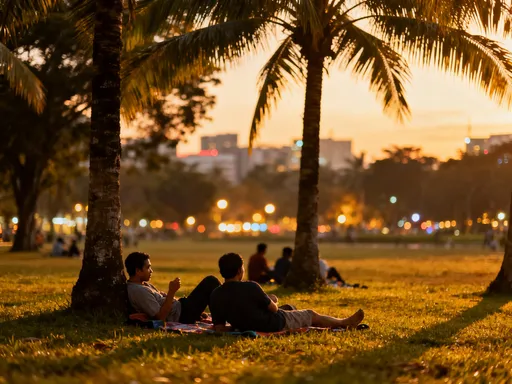
The garden’s height — slightly elevated above street level — enhances the sense of observation. Benches are strategically placed to encourage pausing and looking. Birdwatchers will appreciate the variety of species that call the garden home, from colorful parakeets to the shy hoatzin, known locally as the “stinkbird” for its unusual odor. Early morning is ideal, when the air is cool and the light filters softly through the canopy. But the garden is equally enchanting at midday, when shadows create intricate patterns on the ground, or in the late afternoon, when the setting sun gilds the tops of the tallest palms.
Palmentuin is more than just a park — it’s a place of quiet contemplation in the middle of urban life. It reminds visitors that beauty often lies in the in-between spaces, where nature reclaims the edges of the built environment. For those seeking a moment of calm after a day of sightseeing, there’s no better refuge.
Putting It All Together: Planning Your Viewpoint Journey
With so many unique vantage points, it’s worth planning a day that weaves them together into a cohesive experience. Start early in the morning at the Cathedral of Saint Peter and Paul. Arrive by 8:30 AM to avoid the heat and enjoy the city waking up below. The morning light is soft, and the streets are still quiet, making it easier to appreciate the scale and serenity of the view. After your descent, take a short walk to the central market to sample fresh tropical fruits or pick up handmade crafts.
By midday, head to the Watertoren. Though the sun will be high, the shaded park around the tower offers relief, and the river view remains striking even in full daylight. Use this stop to rest, hydrate, and reflect on the morning’s highlights. If you’re feeling adventurous, continue north to Fort Zeelandia. The walk takes about 20 minutes along well-paved streets, passing residential neighborhoods and small shops. Spend an hour exploring the fort and museum, then settle in at the promenade for a late afternoon break.
As the sun begins to dip, return toward the city center and find your way to the downtown café with the rooftop terrace. Order a fresh juice or a cup of locally grown coffee and watch the transition from day to night. The square lights up, the air cools, and the city takes on a different rhythm. If time allows, end your day back at the North Sea Canal Promenade, where the evening breeze and distant city lights create a soothing finale.
When planning your route, keep a few practical tips in mind. Wear light, breathable clothing — Paramaribo is hot and humid year-round. Bring a reusable water bottle to stay hydrated, and carry a small umbrella or hat for sun protection. Comfortable walking shoes are essential, as most viewpoints require some level of movement, whether climbing stairs or walking along uneven paths. A camera or smartphone with ample storage is highly recommended — these views deserve to be remembered.
Safety in central Paramaribo is generally good, especially during daylight hours. Stick to main streets, avoid carrying large amounts of cash, and be mindful of your belongings in crowded areas. The locals are typically warm and helpful, and many speak Dutch, English, or Sranan Tongo, the national creole language. A simple greeting goes a long way in building connection.
Conclusion
Seeing Paramaribo from above does more than satisfy a traveler’s curiosity — it deepens the connection to a city that thrives on quiet contrasts. This is a place where colonial history meets Caribbean vitality, where dense jungle brushes against urban life, and where the river never stops flowing. Each viewpoint offers a new lens, a fresh understanding of how space, memory, and nature intersect.
Too often, travelers rush through destinations, checking off landmarks without pausing to look up. But in Paramaribo, elevation reveals what flat-footed tourism cannot. It shows the patterns in the rooftops, the rhythm of the river, the way light dances across centuries-old wood. It invites slowness. It rewards patience.
So climb the tower. Walk the ramparts. Find the hidden terrace. Let the breeze carry the sounds of the city into your memory. Because sometimes, the best way to know a place isn’t by walking its streets — it’s by rising above them, even if just for a moment, and letting the view sink in. In that stillness, you don’t just see Paramaribo. You begin to feel it.