You Gotta Taste This: Fukuoka’s Urban Food Soul
Fukuoka doesn’t just feed you—it speaks to you through its food. In this vibrant city, steaming ramen stalls nestle between skyscrapers, and the buzz of night markets blends with subway rhythms. I wandered its streets hungry and left transformed. This is urban dining at its most alive: raw, real, and rooted in community. Here’s how Fukuoka turns every meal into a moment. More than a destination for gourmands, Fukuoka offers a blueprint for how cities can nourish both body and spirit. Its culinary rhythm pulses through narrow alleyways, riverside outposts, and quiet neighborhood corners, proving that great food doesn’t require grandeur—just authenticity, accessibility, and heart.
The Pulse of the City: Where Food Meets Urban Life
Fukuoka’s charm lies in its human scale. Unlike sprawling metropolises where commutes dominate daily life, Fukuoka is compact, walkable, and intuitively designed for connection. The city’s layout—nestled between mountains and the sea, with a dense urban core—encourages exploration on foot. This intimacy fosters a unique relationship between food and city life. Meals are not isolated events scheduled between meetings or chores; they are woven into the rhythm of the day. A quick bite after work, a late-night drink by the river, or a morning pastry before the train—all are part of the city’s living fabric.
The districts of Tenjin and Nakasu exemplify this integration. Tenjin, the commercial and business heart, hums with energy from early morning until late evening. Office workers spill into side streets at lunchtime, lining up at tucked-away soba counters or standing at tiny counters for a bowl of curry rice. Meanwhile, Nakasu, an island in the Naka River, becomes a culinary stage after dark. Here, the contrast between sleek high-rises and rustic food stalls creates a dynamic tension—one where modernity and tradition coexist comfortably. It is in these in-between spaces that Fukuoka’s food culture truly thrives.
Central to this experience are the yatai, or open-air food carts. Found primarily along the riverbanks and in select downtown alleys, these unassuming wooden stalls serve as informal community centers. With no fixed walls and often just a few shared tables, they invite conversation, laughter, and spontaneity. A salaryman unwinds after work with a beer and grilled chicken skewers. A group of students shares a pot of motsu nabe, laughing over steaming broth. A solo traveler finds a seat next to a local who offers a nod and a recommendation. These moments are not incidental—they are the essence of urban life in Fukuoka.
The city’s modest size enhances this accessibility. Most major neighborhoods are within a 20-minute subway ride of one another, and many are close enough to walk. This ease of movement allows residents to treat the entire city as their dining room. There’s no need to travel far for a great meal; excellence is often just around the corner. This proximity doesn’t dilute quality—it amplifies it. With so many options within reach, competition remains high, pushing vendors to perfect their craft. The result is a culinary ecosystem that is both democratic and deeply refined.
Ramen Revolution: A Bowl at the Heart of the City
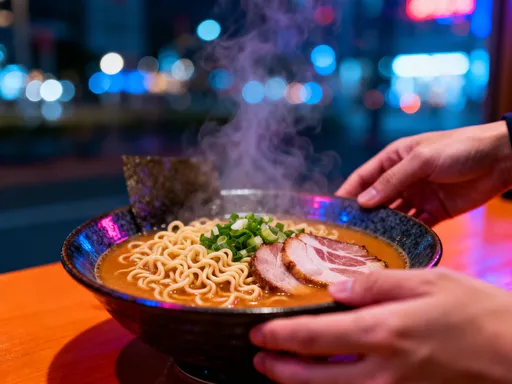
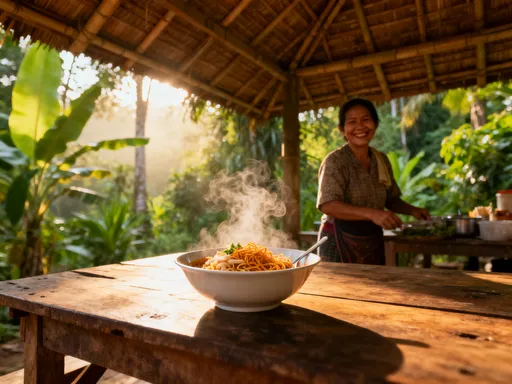
If Fukuoka has a culinary crown jewel, it is Hakata ramen. This rich, milky tonkotsu broth—simmered for hours from pork bones—is more than a dish; it is a cultural institution. Served in narrow bowls with thin, springy noodles that can be refilled on demand—a practice known as koshitsu—Hakata ramen embodies efficiency, satisfaction, and ritual. Every slurp delivers warmth, depth, and a sense of belonging. It’s no exaggeration to say that this bowl of noodles lies at the heart of Fukuoka’s identity.
Nowhere is this more evident than in the ramen lanes near Canal City and Nakasu. These alleys, often no wider than a few meters, are lined with tiny shops, each specializing in their own variation of tonkotsu ramen. Some emphasize a lighter broth, others a richer, more gelatinous texture. Toppings vary—spicy miso paste, pickled ginger, black garlic oil—but the foundation remains the same: purity of flavor, speed of service, and consistency. These lanes are not tourist traps; they are working hubs where locals queue daily, often standing elbow-to-elbow in tight spaces, waiting for their turn at the counter.
The experience is fast, focused, and deeply satisfying. Orders are placed quickly, often via vending machine, minimizing wait time. Within minutes, a steaming bowl appears, accompanied by a small dish of pickles and a glass of cold barley tea. There’s no table service, no pretense—just food, delivered with care. This model reflects the urban reality of Fukuoka: life moves quickly, but moments of nourishment must still be meaningful. Hakata ramen meets that need perfectly, offering both fuel and comfort in a single serving.
What makes this phenomenon remarkable is its scale. Thousands of bowls are served across the city every day, not just in dedicated ramen shops but in department store basements, train station concourses, and even convenience stores. Yet, despite its ubiquity, the quality remains remarkably high. This consistency speaks to a deep-rooted culinary discipline. Ramen chefs often train for years, mastering the balance of broth, noodle, and timing. Many shops are family-run, with recipes passed down through generations. In a world where fast food often means compromise, Fukuoka proves that speed and soul can coexist.
Tourists flock to Fukuoka for ramen, and rightly so. But for locals, it’s not a destination dish—it’s a daily rhythm. It’s what you eat after a long shift, what you share with a friend on a rainy evening, what you crave when you’re feeling low. In this way, Hakata ramen transcends cuisine. It becomes a ritual, a comfort, a thread connecting people to place and to each other.
Yatai Culture: Mobile Kitchens, Fixed Traditions
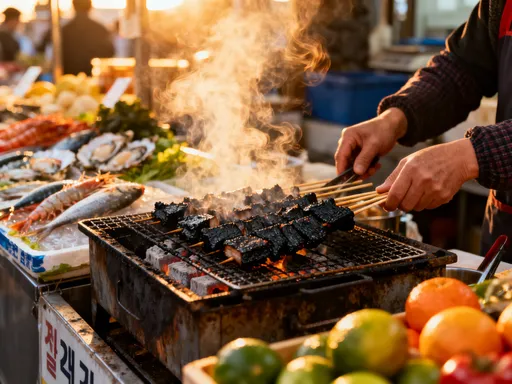
Along the banks of the Naka River, as dusk settles and the city lights begin to flicker, the yatai come alive. These open-air food stalls, each a self-contained kitchen under a red or blue canopy, are among Fukuoka’s most iconic culinary experiences. Lit by paper lanterns and the glow of grills, they emit the sizzle of yakitori, the bubbling of hot pots, and the clink of beer bottles. The air carries a mix of charcoal smoke, soy sauce, and sake—a scent that lingers in memory long after the meal ends.
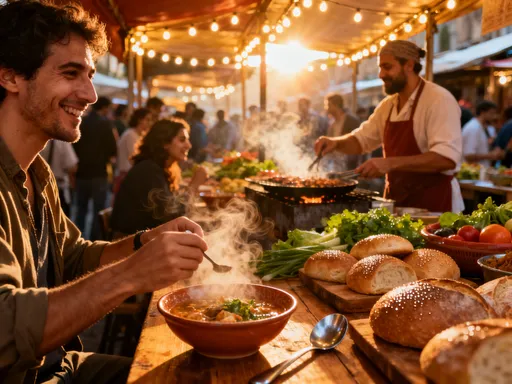
More than just places to eat, yatai function as social equalizers. There are no reservations, no dress codes, no hierarchy. A university student sits beside a businessman, a couple shares a table with a solo traveler, and everyone orders from the same handwritten menu. Conversation flows easily, often sparked by the vendor themselves, who may offer a complimentary bite or a toast with house sake. This informality is by design. The yatai thrive on proximity and spontaneity, creating moments of connection that are increasingly rare in modern urban life.
The menu varies by stall, but staples include motsu nabe (a spicy offal hot pot), grilled chicken skewers, mentaiko (spicy cod roe), and simple rice bowls. Drinks are equally central—draft beer, chilled sake, and highballs are poured generously. The pace is relaxed, the atmosphere convivial. Meals stretch into hours, not because service is slow, but because people don’t want to leave. In a city that moves quickly by day, the yatai offer a rare space to slow down, linger, and talk.
Yet, this tradition faces challenges. Over the past two decades, the number of yatai has declined due to tightening regulations, rising costs, and a lack of younger vendors willing to take over. Many stalls operate without modern plumbing or electricity, relying on gas tanks and manual cleanup. The work is physically demanding, often starting late at night and ending in the early morning. For younger generations accustomed to digital careers and stable hours, the lifestyle can seem unappealing.
Despite these pressures, signs of revival are emerging. A new wave of young chefs, inspired by the cultural significance of yatai, are reinventing the model with modern touches—better hygiene, updated menus, and social media presence—while preserving the core values of accessibility and community. Some have introduced fusion dishes, like ramen tacos or yuzu-infused cocktails, attracting a younger, more diverse crowd. Others collaborate with local farmers to source ingredients, emphasizing sustainability and seasonality. These innovations are not betrayals of tradition; they are evolutions, ensuring that yatai remain relevant in a changing city.
The resilience of yatai speaks to something deeper: a collective desire to preserve spaces where people can gather without pretense. In an age of digital isolation and curated experiences, the yatai offer authenticity. They remind us that food is not just about consumption—it’s about connection. As long as Fukuoka values this spirit, the lanterns along the river will continue to glow.
Markets as Urban Living Rooms: From Nishiki to Local Stalls
While yatai and ramen lanes capture the city’s nocturnal energy, its markets reveal a different rhythm—one of daylight, routine, and quiet intimacy. Fukuoka’s markets function as urban living rooms, where neighbors greet each other by name, vendors remember regulars’ preferences, and the pace allows for lingering. These spaces are not tourist attractions first; they are community anchors, deeply embedded in daily life.
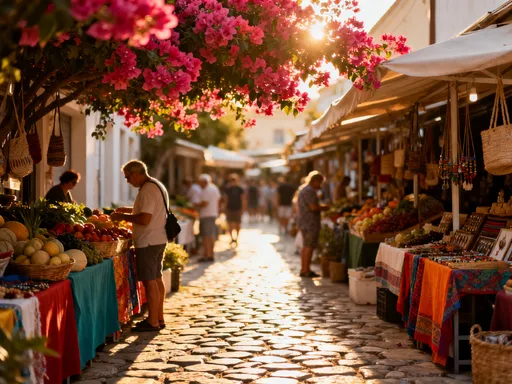
Nishiki Market, located near the Tenjin district, is perhaps the most well-known. Though smaller than Kyoto’s namesake, it offers a curated experience, blending tradition with accessibility. Stalls display glistening seafood, pickled vegetables in colorful jars, and handmade sweets dusted with matcha. Visitors can sample grilled scallops on a stick, sip warm amazake (sweet rice drink), or purchase vacuum-packed mentaiko to take home. The atmosphere is lively but not overwhelming, with clear signage in English and Japanese, making it welcoming for international guests.
Beyond Nishiki, smaller neighborhood markets offer an even more personal experience. In areas like Sasabaru or Momochi, local produce stalls open early in the morning, serving residents on their way to work or school. These markets are not designed for spectacle; they exist to serve. A grandmother selects bok choy for dinner, a young couple picks up fresh eggs and miso, a chef from a nearby restaurant orders a week’s supply of herbs. The transactions are simple, the interactions warm. There’s no pressure to buy, no performative hospitality—just the quiet dignity of daily exchange.
What makes these markets vital is their role in preserving culinary knowledge. Many vendors are third- or fourth-generation purveyors, passing down recipes, sourcing practices, and preservation techniques. A pickled plum seller may use a brine recipe unchanged for 50 years. A tofu maker rises at 4 a.m. to prepare fresh batches daily, using traditional methods. These crafts are not relics; they are living traditions, sustained by demand and pride.
At the same time, markets are adapting. Some now accept digital payments, offer delivery options, or host weekend events with live music and cooking demos. Others partner with schools to teach children about seasonal eating and food origins. These changes do not dilute authenticity—they extend it, ensuring that markets remain functional and relevant in a modern city. They prove that tradition does not require stagnation; it can evolve while staying true to its roots.
Modern Bites: Cafés, Craft Beer, and City Reinvention
Fukuoka’s food culture is not frozen in time. Alongside its deep-rooted traditions, a new wave of culinary innovation is reshaping the city’s landscape. Converted warehouses now house third-wave coffee shops where baristas pour single-origin brews into handmade ceramics. Former industrial zones host craft breweries serving yuzu pale ales and roasted barley lagers. In redeveloped districts like Tenjin Next and Hakata Riverain, fusion restaurants blend Kyushu ingredients with French techniques, offering dishes like black cod miso with truffle foam.
This evolution reflects broader shifts in lifestyle. Remote work has increased demand for daytime gathering spaces, making cafés more than just coffee stops—they are offices, meeting spots, and quiet retreats. Sustainability concerns have led to a rise in zero-waste kitchens, plant-based menus, and farm-to-table collaborations. Design-conscious diners seek not only flavor but atmosphere, valuing minimalist interiors, natural materials, and thoughtful lighting. Fukuoka’s new food spaces respond to these needs without sacrificing warmth.
One notable trend is the integration of food with culture. Book cafés, art galleries with attached kitchens, and performance spaces with full-service bars are becoming common. These hybrid venues encourage longer stays, deeper engagement, and cross-pollination of ideas. A person might come for an exhibition and stay for dinner, or attend a poetry reading after dessert. This blending of experiences reflects a desire for multidimensional urban life—one where food is not isolated but interconnected with art, conversation, and creativity.
Importantly, this modernity does not erase tradition—it dialogues with it. A craft brewery may use locally sourced rice and spring water, honoring regional terroir. A fusion chef may reinterpret a classic Hakata dish with contemporary plating. These innovations are not replacements; they are conversations across generations. They show that Fukuoka’s culinary soul is not fragile—it is dynamic, capable of absorbing change while maintaining its essence.
Eating on the Move: Convenience with Character
In any great city, convenience shapes eating habits. Fukuoka is no exception. Commuters rely on quick, satisfying meals that fit into tight schedules. Yet, even in the realm of fast food, Fukuoka elevates the ordinary. A simple onigiri from a corner shop is made with care—perfectly seasoned rice, nori that crackles when unwrapped, fillings like umeboshi or salmon that taste homemade. Ekiben, or station bento boxes, are miniature works of art, arranged with seasonal ingredients and regional specialties. A traveler boarding a Shinkansen might carry a box featuring mentaiko rice, grilled eel, and pickled vegetables—all sourced locally and packed with pride.
The city’s pocket parks and small plazas further enhance this culture of mobile dining. Unlike grand urban parks, these green spaces are modest—often no more than a bench, a tree, and a trash can. But they serve an essential function: they are places to pause. A mother shares taiyaki with her child after school. A delivery worker eats his lunch between shifts. A couple enjoys soft-serve ice cream on a summer evening. These moments are fleeting, but meaningful. They reflect a city that values small joys, that understands the importance of rest and presence.
Even convenience stores in Fukuoka stand apart. While global chains operate here, the product selection is deeply localized. Seasonal onigiri, limited-edition sweets, and fresh-made salads are updated weekly. Some stores offer hot food counters with rotating daily specials—curry, ramen, or tempura—prepared on-site. The result is a convenience culture that feels personal, not generic. It proves that efficiency and care are not mutually exclusive.
Why Fukuoka’s Food Future Feels Human
Fukuoka’s food culture offers a powerful lesson for cities worldwide: urban life does not have to sacrifice soul for speed. In a time when many metropolises struggle with isolation, homogenization, and disconnection, Fukuoka demonstrates that density and intimacy can coexist. Its strength lies in balance—between tradition and innovation, efficiency and warmth, public and personal.
The city’s culinary model is not about grand gestures or celebrity chefs. It is about the everyday—the bowl of ramen after work, the shared table at a yatai, the familiar wave from a market vendor. These small moments accumulate into a sense of belonging. They remind residents and visitors alike that cities are made of people, not just buildings.
As urban centers grow and change, Fukuoka’s example invites us to ask: What kind of city do we want to live in? One that prioritizes profit over people? Or one that nurtures connection, celebrates craft, and honors the simple act of sharing a meal? The answer may lie not in policy or planning alone, but in the quiet rhythm of a noodle shop, the glow of a riverbank stall, the taste of a perfectly made onigiri.
So the next time you find yourself in Fukuoka, don’t just eat—listen. Let the city speak to you through its food. Savor not just the flavor, but the moment it creates. Because in Fukuoka, every meal is a conversation, and every bite a connection to the heartbeat of the city.