Flavors That Unite: A Taste of Culture in Nicosia
Imagine walking through sun-dappled streets where the scent of grilled halloumi and cinnamon-laced pastries fills the air. In Nicosia, every bite tells a story—of tradition, coexistence, and resilience. This isn’t just a city divided by walls; it’s one connected by shared tables. I never expected food to reveal so much about identity, history, and belonging. Here, culture isn’t only seen—it’s savored. From family-run tavernas to bustling market lanes, the capital of Cyprus offers a culinary journey that transcends borders, inviting visitors not only to taste but to understand. In a place where history echoes in every stone, it is the shared flavors that speak the loudest.
The Heartbeat of Nicosia: Food as Cultural Identity
In Nicosia, food is more than sustenance—it is memory, identity, and continuity. As the last divided capital in the world, the city carries a complex legacy shaped by centuries of Greek, Turkish, and Middle Eastern influences. Yet, within this layered history, cuisine emerges as a unifying force. The dishes served in homes and eateries on both sides of the Green Line reflect a deep-rooted connection to the land and to shared ancestral practices. Meals are not defined by political lines but by the rhythms of seasonal harvests, family gatherings, and religious celebrations. Whether it’s a tray of golden-brown loukoumades drizzled with honey or a slow-cooked stew simmering with tomatoes, herbs, and tender lamb, the flavors speak a language older than division.
Traditional foods like souvlaki—grilled skewers of marinated pork or chicken—appear in nearly identical forms across communities, often wrapped in warm pita with fresh tomatoes, onions, and tzatziki. Similarly, mehlebi, a delicate milk pudding subtly flavored with rosewater and dusted with cinnamon, graces dessert tables in both Greek Cypriot and Turkish Cypriot households. These similarities are not coincidences but reflections of a common culinary ancestry. Long before modern borders were drawn, farmers, traders, and families moved freely across the island, exchanging ingredients, techniques, and stories. The kitchen became a space where cultures merged quietly, without fanfare, through the daily act of cooking and sharing meals.
For visitors, engaging with this food culture is an intimate way to connect with Nicosia’s soul. Eating in the city becomes an act of participation rather than observation. It invites questions: Why is halloumi grilled rather than melted? What makes Cypriot olive oil distinct? How did commandaria wine survive centuries of invasion and change? Each dish opens a conversation about resilience, adaptation, and pride. In a place where history can feel heavy, food lightens the burden, offering warmth, generosity, and continuity. It reminds us that even in times of separation, some things—like the love for a well-prepared meal—remain unchanged.
Crossing Flavors: The Unique Culinary Landscape of a Divided City
The Green Line, a United Nations buffer zone that cuts through the heart of Nicosia, is often described in political or military terms. But for those who walk its edges, it reveals another dimension—one defined by scent, sound, and taste. Along Ledra Street, where checkpoints once stood, pedestrians now pass freely between neighborhoods, drawn not by flags or monuments but by the aroma of baking bread and sizzling meats. This transition is not merely symbolic; it reflects a lived reality where food transcends division. Despite decades of separation, the culinary DNA on both sides of the city remains remarkably similar, shaped by the same soil, climate, and centuries of shared life.
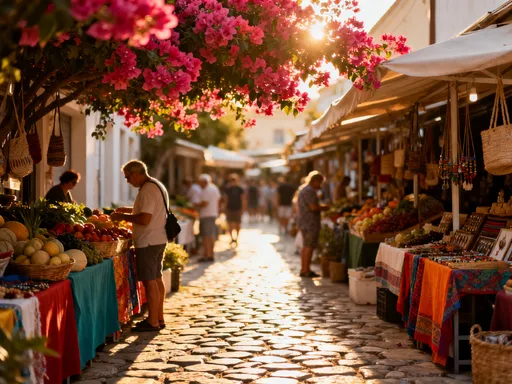
Markets like the historic Buyuk Han, a 16th-century Ottoman caravanserai turned cultural hub, serve as neutral grounds where locals and visitors gather around food. Inside its arched courtyard, small vendors sell everything from handmade borek to freshly squeezed pomegranate juice. The space functions not only as a marketplace but as a social nexus—a place where Cypriots from all backgrounds meet, converse, and eat together. Here, differences in dialect or background fade in the presence of a shared plate of dolmades or a steaming cup of Cyprus coffee, brewed slowly in a brass cezve and served with a cube of sugar on the side.
Family-run tavernas play a crucial role in preserving this culinary continuity. Many have operated for generations, passing down recipes written on stained index cards or remembered by heart. In one such establishment in the south, a grandmother might prepare kleftiko—lamb slow-roasted in a sealed clay oven—using the same method her mother taught her. Just a few streets away in the north, another family might serve a nearly identical dish under a different name, with only slight variations in seasoning. These subtle differences do not divide; instead, they enrich the city’s gastronomic tapestry. They show how culture evolves not in isolation but through adaptation, memory, and care.
What makes Nicosia’s food culture particularly powerful is its ability to foster informal diplomacy. A meal shared between strangers from different sides of the city can dissolve assumptions and build trust. There are no formal agreements signed over dinner, but there is understanding—quiet, personal, and lasting. In this way, the table becomes a site of reconciliation, not through speeches or negotiations, but through the simple act of breaking bread together.
From Farm to Table: The Role of Local Ingredients
The authenticity of Nicosia’s cuisine begins long before it reaches the plate. It starts in the sun-drenched fields of the Mesaoria plain, in the terraced vineyards of the Troodos Mountains, and along the coastal hills where olive trees have stood for generations. Cyprus has long been an agricultural island, and its capital benefits directly from this rich rural heritage. The proximity of Nicosia to surrounding villages means that many restaurants source their ingredients locally, ensuring freshness and supporting small-scale farming. This farm-to-table tradition is not a recent trend but a way of life, deeply embedded in Cypriot culture.
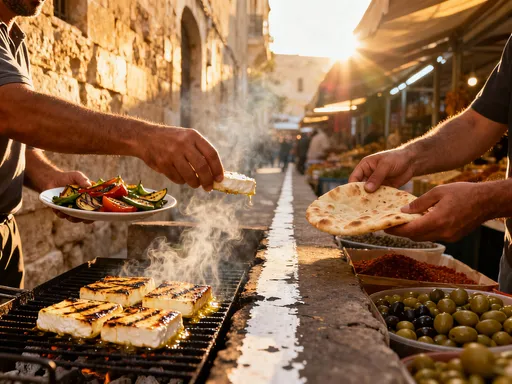
Halloumi cheese stands as one of the island’s most iconic products. Made from a blend of goat’s and sheep’s milk, sometimes with a touch of cow’s milk, it is known for its unique ability to hold its shape when grilled or fried. In Nicosia’s markets, vendors display wheels of halloumi wrapped in mint leaves, a practice that preserves flavor and signals quality. Olive oil, another cornerstone of the Cypriot diet, is pressed from locally grown Koroneiki olives. Cold-extracted and rich in polyphenols, it is used generously in cooking, dressings, and even as a dip for warm bread. Families often store their annual oil supply in large glass demijohns, a tradition passed down through generations.
Other native ingredients further define the island’s palate. Carob, once called “black gold,” was historically exported in large quantities and is still used today in syrups, desserts, and even animal feed. Commandaria, a sweet dessert wine with origins dating back to the Crusades, is produced in nine designated villages south of Nicosia and remains one of the oldest named wines in continuous production. Seasonal produce—such as artichokes in spring, watermelons in summer, and prickly pears in late summer—also play a vital role in shaping menus. Mountain herbs like thyme, oregano, and marjoram grow wild and are collected by locals to dry for winter use, adding depth and fragrance to stews, soups, and marinades.
This reliance on local ingredients fosters sustainability long before the term entered global discourse. There is little need for imported substitutes when the land provides so abundantly. For travelers, this means meals that are not only flavorful but honest—rooted in place and season. To eat in Nicosia is to taste the island itself, in all its natural richness and simplicity.
Hidden Kitchens: Discovering Authentic Eateries Off the Beaten Path
While guidebooks may highlight well-known restaurants, the true essence of Nicosia’s food culture lies in its hidden corners. Away from the main tourist routes, tucked into narrow alleys or nestled within quiet residential neighborhoods, lie the city’s most authentic dining experiences. These are places where menus are not printed but recited, where the chef greets guests like family, and where meals unfold at their own pace. Family-run ouzeries—small taverns specializing in meze and anise-flavored spirits—offer some of the most memorable encounters. Here, a simple invitation to “try the fresh octopus” might lead to a table overflowing with twenty small plates, each revealing a different facet of Cypriot cooking.
Courtyard cafes, often housed in restored stone buildings, provide another intimate setting. Surrounded by climbing jasmine and the soft clink of coffee cups, visitors can linger over a midday meal of grilled halloumi, vine leaves stuffed with rice and herbs, and a glass of chilled local wine. These spaces are not designed for efficiency but for connection. Time slows, conversations deepen, and strangers often find themselves sharing tables and stories. Neighborhood bakeries, too, offer insight into daily life. Early in the morning, the scent of sesame-covered simit and flaky börek fills the air as locals stop by for their daily bread. These are not performances for tourists but lived routines, open to those willing to observe and participate respectfully.
For travelers seeking authenticity, the key is to approach with humility and curiosity. Avoiding overly polished, English-only menus can be a helpful indicator. Instead, look for handwritten signs, crowded tables of locals, and owners who speak limited English but offer warm smiles. Learning a few basic phrases in Greek or Turkish—such as “Efharisto” (thank you) or “Teşekkür ederim”—can go a long way in building rapport. Equally important is patience: meals may arrive slowly, portions may be generous, and service may feel informal. But these are not shortcomings; they are signs of genuine hospitality.
Exploring both the southern and northern parts of the city with equal openness allows for a fuller understanding of Nicosia’s culinary landscape. Crossing the Green Line on foot, one might find nearly identical dishes served in slightly different settings, each carrying its own family history. The experience is not about comparison but about connection—seeing how the same ingredients, prepared with love, can nourish communities across divides.
Cooking as Connection: Participating in the Culture Through Food Experiences
One of the most meaningful ways to engage with Nicosia’s food culture is by stepping into the kitchen. A growing number of local initiatives offer hands-on cooking sessions, food walks, and home dining experiences that go beyond passive tourism. These programs are not staged performances but real moments of exchange, where visitors learn recipes that have been passed down through generations. In a private home, a grandmother might teach how to roll grape leaves just tight enough to prevent bursting during cooking, or how to knead dough for flaounes, a traditional Easter pastry filled with cheese and mint.
These experiences are deeply personal. They often begin with a tour of a local market, where hosts explain how to select the ripest tomatoes or the freshest herbs. Back in the kitchen, participants chop, stir, and taste under gentle guidance, learning not only techniques but stories—the memory of a village festival, the significance of a dish during Lent, the way a recipe traveled with a family after displacement. When the meal is finally served, it is eaten together, often with extended family joining in. There is no script, no performance fee—just shared food and conversation.
Such encounters foster empathy in ways that sightseeing alone cannot. Sitting across from someone who has lived through decades of division, sharing a meal that both sides claim as their own, creates a quiet but powerful form of understanding. It shifts the narrative from conflict to connection, from separation to solidarity. Travelers often leave not only with a recipe card but with a renewed sense of human commonality.
For those interested in participating, it is important to seek out ethical, community-based programs. Look for initiatives that are locally led, that fairly compensate hosts, and that emphasize mutual respect over spectacle. The goal is not to extract culture but to engage with it meaningfully. When done right, these experiences benefit both visitors and hosts, strengthening social ties and preserving culinary heritage for future generations.
Modern Twists: How Young Chefs Are Reinventing Tradition
While tradition remains central to Nicosia’s food identity, a new generation of chefs is reimagining Cypriot cuisine for contemporary palates. In recent years, several established restaurants have emerged that honor heritage while embracing innovation. These spaces do not reject the past but reinterpret it—using ancient grains like einkorn in modern salads, fermenting local vegetables for kimchi-style condiments, or presenting meze platters with artistic precision. The result is a cuisine that feels both familiar and fresh, rooted in history yet responsive to global influences.
One notable trend is the revival of forgotten ingredients. Young chefs are researching pre-war recipes, consulting elders, and experimenting with heirloom varieties of legumes, pulses, and grains. Some are collaborating with farmers to reintroduce crops that had nearly disappeared from cultivation. This movement is not driven by nostalgia alone but by a desire for sustainability, authenticity, and cultural preservation. At the same time, these chefs are mindful of accessibility, ensuring that their creations remain grounded in Cypriot flavors rather than becoming overly avant-garde.
Food festivals and pop-up events have also played a role in revitalizing interest in local cuisine. Organized by culinary collectives and cultural organizations, these gatherings bring together chefs, farmers, and the public in celebration of seasonal produce and traditional techniques. They often include live demonstrations, tastings, and workshops, creating spaces for intergenerational learning and community engagement. For visitors, attending such events offers a dynamic way to experience Nicosia’s evolving food scene.
What unites these modern efforts is a deep respect for the past. Innovation does not mean erasure; it means evolution. By honoring tradition while embracing change, Nicosia’s young chefs are ensuring that Cypriot cuisine remains vibrant, relevant, and inclusive. They are not replacing the old tavernas but expanding the conversation, inviting new voices and perspectives into the kitchen.
Savoring Peace: The Broader Meaning of Shared Meals in Nicosia
In a city marked by division, the simple act of sharing a meal carries profound meaning. Around a table laden with meze, differences in language, background, or political view often fade into the background. What remains is the universal language of hospitality—the warmth of a host’s smile, the care in a homemade dish, the comfort of eating together. In Nicosia, food does not erase history, but it offers a space where people can meet as equals, not as representatives of opposing sides. It is in these moments—over a plate of grilled halloumi, a glass of commandaria, or a shared dessert of loukoumades—that the possibility of coexistence becomes tangible.
Personal stories of generosity abound. A Turkish Cypriot woman invites a Greek Cypriot neighbor to her home for coffee. A young chef from the south collaborates with a supplier from the north to source organic vegetables. A group of international visitors joins a community meal organized by a local NGO, where stories are exchanged over stewed beans and fresh bread. These are not grand gestures but quiet acts of connection, repeated daily across the city. They do not solve political disputes, but they build the foundation for trust, one meal at a time.
For travelers, Nicosia offers more than a culinary tour—it offers a lesson in empathy. By choosing to eat locally, to listen to stories, and to engage with people beyond the surface, visitors participate in a deeper form of tourism. They move from being observers to participants, from consumers to companions. And in doing so, they contribute to a culture of understanding that extends far beyond the dinner table.
The flavors of Nicosia are not just delicious—they are meaningful. They carry the weight of history and the hope of reconciliation. They remind us that even in divided places, there are threads that connect us: the love of good food, the joy of sharing, and the enduring power of hospitality. So come not only to taste, but to listen, to learn, and to belong. In Nicosia, every meal is an invitation—to savor, to connect, and to believe in the possibility of peace.