You Won’t Believe What Tokyo’s Festivals Are Hiding
If you think Tokyo is just neon lights and sushi, think again. I stumbled upon something wild—festival experiences so vivid, so electric, they’ll rewrite your travel bucket list. From drum-pounding matsuri parades to lantern-lit processions in quiet Shinto shrines, this city pulses with tradition in the most unexpected ways. I never expected to dance with locals at a summer Bon Odori, or taste street food that tasted like memories. This isn’t just tourism—it’s immersion. And honestly? You’ve been sleeping on Tokyo’s soul.
The Heartbeat of Tokyo: Why Festivals Define the City’s Soul
Tokyo’s festivals, or matsuri, are far more than colorful spectacles—they are living expressions of the city’s cultural DNA. These events, deeply rooted in Shinto beliefs and seasonal cycles, reveal a side of Tokyo that defies its modern skyline. While the world sees bullet trains and skyscrapers, beneath the surface beats a rhythm shaped by centuries-old rituals, community devotion, and reverence for nature’s cycles. Festivals serve as spiritual anchors, marking agricultural milestones, honoring local deities, and reinforcing social bonds in a city often perceived as fast-paced and impersonal.
Take the Sanja Matsuri at Asakusa Shrine, one of Tokyo’s most iconic festivals. Held annually in May, it draws over two million visitors, yet remains profoundly local in spirit. Three mikoshi—portable shrines carried on wooden poles—are hoisted onto the shoulders of teams in traditional happi coats, shaking and swaying through the streets as if to transfer divine energy into the city itself. The thunderous beat of taiko drums, the scent of incense, and the synchronized shouts of “Wasshoi! Wasshoi!” create a sensory overload that is both chaotic and sacred. This is not performance for tourists; it is participation in a living tradition.
Similarly, the Kanda Matsuri, occurring every other year in mid-May, dates back over 400 years and was originally held to pray for prosperity and protection. Its grand procession features ornate floats, geisha from local districts, and priests in elaborate robes, winding through central Tokyo from Kanda Myojin Shrine to nearby neighborhoods. The scale is impressive, but what resonates most is the sense of continuity—families passing down roles, neighborhoods preparing for months, and the quiet pride in preserving something greater than oneself. These festivals are not relics but revitalizing forces, reminding Tokyoites and visitors alike of the city’s enduring soul.
What makes these events transformative is their ability to blend the ancient with the everyday. A Shinto priest may chant prayers beneath power lines; children wave fans beside smartphone-wielding commuters. This coexistence—where tradition doesn’t resist modernity but dances alongside it—is the true heartbeat of Tokyo. Festivals become moments when the city pauses, not to look backward, but to reconnect with values of gratitude, community, and shared purpose. They are not escapes from urban life but affirmations of it, grounded in meaning that transcends the ordinary.
Hidden in Plain Sight: Off-the-Beaten-Path Festivals You’ve Never Heard Of
Beyond the well-documented parades of Asakusa and Akihabara lies a quieter, more intimate layer of Tokyo’s festival culture—neighborhood celebrations that rarely appear on tourist maps but pulse with authenticity. These local matsuri, often organized by temple committees or resident associations, offer a rare glimpse into the city’s grassroots traditions. In districts like Yanaka, Koenji, and Mitaka, festivals unfold at human scale, where everyone knows a neighbor, children wear handmade decorations, and food stalls are run by grandmothers serving recipes passed down for decades.
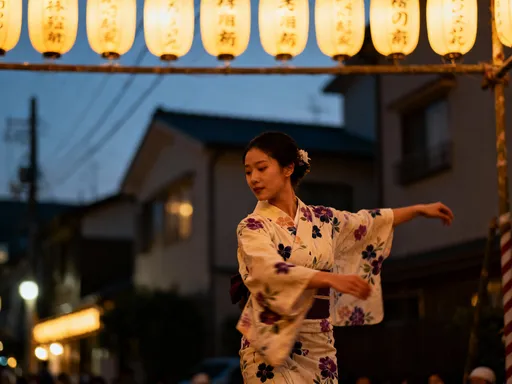
Yanaka, nestled in the historic shitamachi area, hosts a summer Bon Odori that feels worlds away from the city’s flashier events. Held in a small park beside a centuries-old temple, the gathering begins at dusk, when lanterns are lit and a wooden stage is set for dancers. Locals, many in simple yukata, form a slow-moving circle around the platform, moving in unison to folk melodies played on shamisen and flute. There’s no stage, no spotlight—just shared rhythm and quiet joy. Visitors are not only welcome but gently guided into the circle by elderly participants who smile and gesture for you to follow. This is not curated cultural display; it is lived experience, open to anyone willing to step in and move with the beat.
Koenji’s Awa Odori, while growing in popularity, retains a rebellious, community-driven energy. Inspired by the famous dance festival in Tokushima, this event transforms the neighborhood’s narrow shopping street into a vibrant corridor of music and motion. Dozens of dance troupes—some in traditional indigo robes, others in creatively modernized costumes—perform the characteristic “fool’s dance,” stepping forward with arms raised and chanting “Odoru aho ni miru aho, onaji aho nara odorana souna!” (“Fools dance, fools watch—since we’re all fools, why not dance?”). The atmosphere is inclusive, joyful, and refreshingly unpolished. Unlike large commercial festivals, there are no VIP zones or paid viewing areas—just people on sidewalks, balconies, and open windows, clapping along as if the whole neighborhood is one extended family.
Mitaka, on the western edge of Tokyo, offers another hidden gem: the annual autumn festival at Mitaka Shrine. With fewer than a thousand attendees, the event centers around a small mikoshi procession led by local children, some as young as five, proudly carrying miniature shrines on their shoulders. Food stalls sell regional specialties like sweet potato mochi and roasted chestnuts, prepared by shrine volunteers. The pace is slow, the interactions personal. A grandmother might hand you a paper cup of amazake, a sweet fermented rice drink, with a quiet “Enjoy.” There’s no rush, no agenda—just the simple act of being together. These off-the-beaten-path festivals remind us that Tokyo’s soul isn’t found in its grandest displays but in its smallest, most human moments.
Seasonal Rhythms: What Festival to Chase and When
Tokyo’s festival calendar follows the natural rhythm of the seasons, each period bringing its own colors, flavors, and spiritual focus. Understanding this cycle allows travelers to plan not just around dates, but around moods—whether seeking vibrant energy in summer or quiet reflection in winter. Timing your visit to align with these seasonal beats enhances not only comfort but connection, as each festival reflects the essence of its time of year.
Spring, from late March to early April, is defined by hanami—the cherry blossom viewing tradition. While not a festival in the formal sense, hanami transforms parks like Ueno and Sumida into open-air celebrations. Families and coworkers gather beneath blooming trees, spreading blankets and sharing bento boxes, beer, and sake. The mood is one of fleeting beauty and gratitude, as the blossoms last only a week. Some shrines, like Chidorigafuchi, enhance the experience with evening illuminations, where thousands of paper lanterns reflect off the moat’s surface, creating a dreamlike corridor of pink and gold. This is the season of renewal, and Tokyo embraces it with quiet joy.
Summer, from July to August, is the peak of festival activity. High temperatures and humidity come with an explosion of energy. The Sumidagawa Fireworks Festival in late July is one of the oldest and most spectacular, drawing crowds along both banks of the Sumida River. Over 20,000 fireworks light the sky in synchronized bursts, timed to music, creating a shared moment of awe. But beyond the pyrotechnics, summer is the season of Bon Odori and portable shrine processions. The heat brings out the city’s most energetic traditions—drumming, dancing, and communal feasting under the stars. Lightweight clothing, portable fans, and frequent hydration are essential, but so is embracing the season’s intensity. These festivals thrive on sweat and spirit, and participating fully means moving with the heat, not against it.
Autumn, from September to November, brings cooler air and harvest-themed celebrations. The Meiji Shrine Autumn Festival showcases traditional Japanese arts—Noh theater, kyudo (archery), and tea ceremonies—offering a more contemplative experience. Meanwhile, local neighborhood festivals honor the season’s bounty with offerings of rice, sweet potatoes, and persimmons. The weather is ideal for walking, and the crowds thinner, allowing for deeper engagement. This is the season to slow down, observe, and appreciate the craftsmanship behind rituals that have endured for generations.
Winter, from December to early January, centers around spiritual reflection and renewal. Hatsumode, the first shrine visit of the new year, draws millions in the first days of January. Meiji Shrine and Senso-ji become rivers of people, all coming to pray for health, happiness, and prosperity. The atmosphere is calm, reverent, yet warmly communal. Vendors sell amazake, roasted sweet potatoes, and omamori (protective charms), and the scent of incense fills the cold air. While less flashy than summer events, these winter gatherings offer a profound sense of peace and purpose, a quiet reset before the year begins anew.
Dress Like You Belong: Yukata, Fan Etiquette, and Cultural Nuances
Participating in a Tokyo festival isn’t just about showing up—it’s about showing up with respect. One of the most meaningful ways to do this is through attire, particularly the wearing of a yukata, a lightweight cotton kimono traditionally worn in summer. Renting a yukata from a shop near a major shrine or station is common and encouraged, especially for events like Bon Odori or fireworks festivals. The experience of being dressed by a professional, learning how to tie the obi sash, and stepping out in full traditional garb deepens your connection to the moment. It’s not costume; it’s participation.
But wearing a yukata comes with subtle etiquette. Women typically tie the obi in a bow at the back, while men use a simpler knot. The left side of the garment should always overlap the right—reversing this is associated with funerals and is considered inappropriate. Carrying a tenugui (thin cotton towel) or a sensu (folding fan) not only keeps you cool but adds authenticity. These items are often decorated with festival motifs or family crests, and using them correctly—waving gently, not aggressively—shows awareness of cultural norms.
Equally important is how you move within the festival space. Bowing slightly when passing in front of a mikoshi or shrine altar is a small but meaningful gesture of respect. When joining a dance circle, observe first—follow the lead of locals, match their pace, and avoid drawing attention. Photography is generally acceptable, but always ask before taking close-up shots of individuals, especially children or performers in sacred roles. Eating while walking is common at festivals, but avoid loud or messy behavior. The goal is not to mimic, but to blend—honoring the space by being present, not performative.
These nuances matter because they reflect a deeper cultural value: wa, or harmony. Japanese festivals are not stages for individual expression but shared experiences rooted in collective rhythm. By dressing appropriately and acting with awareness, you signal your willingness to be part of that harmony. It’s not about perfection—locals appreciate effort more than flawlessness. A simple smile, a quiet thank you in Japanese (“arigatou gozaimasu”), and a willingness to learn go further than any guidebook tip.
Eat Like a Local: The Street Food Trail No Tourist List Gets Right
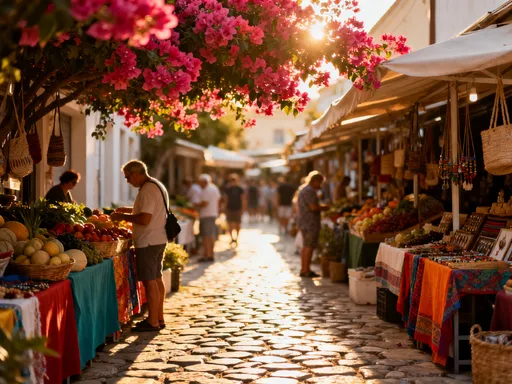
No festival in Tokyo is complete without its food, and the true magic lies not in the famous stalls but in the ones with the longest lines—where locals queue for generations-old recipes served from weathered carts. Festival cuisine is more than sustenance; it’s edible tradition, crafted with care and shared with pride. Knowing what to look for—and how to eat it—elevates your experience from observer to participant.
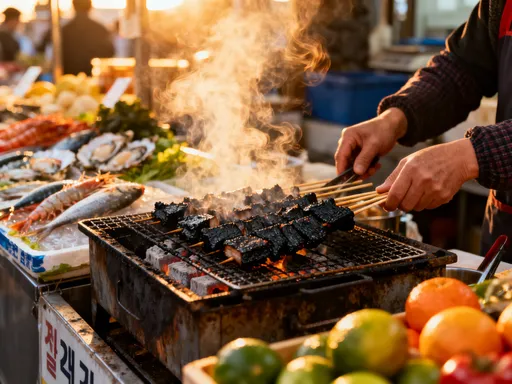
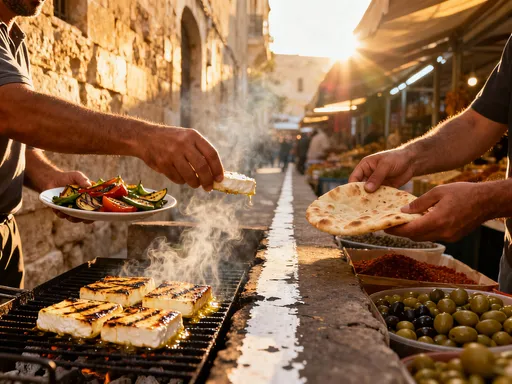
Start with takoyaki, golden-brown octopus balls sizzling on hot plates. The best vendors, like those near Asakusa Shrine, have been perfecting their craft for decades. Watch as the cook uses a thin skewer to rotate each ball, ensuring even crispness, then tops them with takoyaki sauce, mayonnaise, bonito flakes, and seaweed. Eat one immediately—hot, messy, and unforgettable. Equally iconic is yakitori, skewered chicken grilled over charcoal. Look for stalls where the chef stands over a glowing bin of coals, rotating skewers with practiced ease. Order negima (chicken and leek) or tsukune (minced chicken balls) and pair with a cold beer or barley tea.
For something sweeter, seek out amezai, a nostalgic treat made from malted rice syrup, or ameziku—candy sculpted in real time by artisans who pull and twist hot sugar into animals, flowers, or kanji characters. Watching the creation is part of the joy. Another must-try is kakigōri, finely shaved ice drenched in seasonal syrups. In summer, matcha or yuzu flavors are popular; in autumn, try sweet potato or chestnut. Unlike mass-produced versions, the best kakigōri uses natural ingredients and is served in a paper cup with a wooden spoon.
Hygiene is generally high, but always look for stalls with gloves, clean surfaces, and high turnover. Cash is king—few accept cards, so carry small bills. And remember: the longest line is usually the best indicator of quality. Don’t be afraid to point and smile if language is a barrier; vendors are used to international guests and appreciate the effort. Eating at a festival isn’t just about flavor—it’s about joining a ritual of sharing, one bite at a time.
Navigating the Crowd: Transport, Timing, and Smart Viewing Spots
Attending a major Tokyo festival means embracing crowds, but smart planning can transform chaos into comfort. The city’s public transportation system is efficient, but during peak events, trains can be packed beyond capacity. For large festivals like Sanja Matsuri or the Sumidagawa Fireworks, consider arriving early—two to three hours before the main event. This not only secures a good viewing spot but allows time to explore food stalls, visit nearby shrines, and absorb the pre-festival energy.
Use the JR Yamanote Line, Tokyo Metro, or Toei Subway to reach major hubs, but be aware that some stations may have temporary closures or one-way flow systems. Apps like Google Maps or Japan Transit Planner provide real-time updates on delays and alternative routes. For fireworks, riverside spots along the Sumida or Meguro can fill up by mid-afternoon. Locals often stake out areas with blue tarps and picnic gear hours in advance. If you arrive late, consider secondary viewing areas—parks, bridges, or department store rooftops—that offer clear sightlines without the crush.
During parades, main streets will be packed, but side alleys and cross streets often provide excellent, less crowded vantage points. In Asakusa, for example, the side paths near Hanayashiki Park offer close-up views of mikoshi carriers without the shoulder-to-shoulder pressure of Nakamise-dori. Similarly, during Koenji Awa Odori, standing at the edge of the shopping street lets you see the dancers clearly while allowing room to move.
Comfort is key: wear breathable clothing, supportive shoes, and carry a small backpack with water, tissues, and a portable fan. Portable restrooms are available, but lines can be long—plan accordingly. Most importantly, stay aware of your surroundings. Follow police and volunteer directions, keep your belongings secure, and be patient. Crowds move slowly, but with preparation and flexibility, you can enjoy the energy without the stress.
Beyond the Spectacle: How Festivals Change the Way You See Tokyo
What lingers after the drums fade and the lanterns are put away is not just memory, but transformation. Tokyo’s festivals have a way of shifting perspective—of revealing a city not as a collection of buildings and systems, but as a living, breathing community. The woman who hands you a fan without a word, the child who giggles as you fumble a dance step, the shared silence as fireworks explode overhead—these moments dissolve the boundary between visitor and local, between observer and participant.
This is the deeper gift of Tokyo’s matsuri: they invite you into rhythm. Not just the beat of the drums, but the rhythm of seasonal change, of communal care, of quiet reverence. In a world where travel often means consumption—checking sights off a list, snapping photos for feeds—festivals offer something rarer: connection. They remind us that culture is not something to be seen, but felt, moved with, tasted.
For women in their 30s to 55s, many of whom balance family, work, and personal well-being, these experiences offer more than novelty—they offer renewal. The act of dancing in a circle, of tasting food made with love, of bowing in respect at a shrine, becomes a form of mindfulness, a pause in the constant doing. It’s travel not as escape, but as return—to joy, to presence, to the simple truth that we are all part of something larger.
And perhaps that is Tokyo’s greatest secret. Beneath the efficiency, the order, the quiet reserve, beats a heart of warmth, creativity, and generosity. The festivals don’t hide this—they reveal it, openly, joyfully, one drumbeat at a time. They are not performances for outsiders, but invitations—to move, to taste, to witness, and to belong, even briefly.
Tokyo’s festivals aren’t just events—they’re invitations. To move, taste, witness, and belong, even briefly. In their drumbeats and paper lanterns, you find the city’s true rhythm. Don’t just visit. Participate. Let the culture carry you.